Blood-Brain Barrier Bypassing Strategies for Peptide Therapeutics
Nose-to-brain nanoparticles offer a less invasive path for GLP-1 drugs to reach the brain.
Peptide delivery to the brain is a choice among ways to open, cross or bypass the blood-brain barrier, each suited to different cargoes and clinical needs. Comparing those mechanisms explains why nose-to-brain nanoparticle delivery is a particularly strong fit for neurological GLP-1 therapies, while leaving important questions about formulation, safety and clinical translation unresolved.
Why the blood-brain barrier is uniquely hostile to peptides
The blood-brain barrier is built to block the routes that many drugs use to enter peripheral tissues. Cerebral capillary endothelial cells form tight junctions, supported by a basement membrane and pericytes, without the fenestrations found in peripheral vasculature. Small lipophilic molecules, typically below roughly 400–600 Da, can cross by passive diffusion, but most peptides, proteins and antibodies are largely kept out. Both the size of peptides and their hydrophilic chemistry make it hard for them to enter. Getting a peptide into the blood therefore says little about whether it can reach therapeutic concentrations in the central nervous system.
P-glycoprotein and multidrug resistance-associated proteins can pump foreign molecules back into the bloodstream, adding active efflux to the structural barrier. Neurodegenerative disease introduces another variable because disrupted tight junctions and neuroinflammation can change permeability with disease stage, complicating dosing and safety. The mismatch is fundamental, with peptide and biologic therapeutics advancing toward targets including neurodegeneration, hypothalamic obesity and addiction while the barrier strongly excludes the molecules those treatments depend on.
What invasive disruption strategies do and why they remain limited
The most direct responses are to deliver a drug inside the barrier or force the barrier open. Intraventricular catheter systems take the first approach through direct CNS infusion. Yet the drug predominantly reaches superficial brain tissue, with limited penetration into deeper structures, and the procedure itself carries a risk of patient harm.
Osmotic disruption instead opens tight junctions transiently, allowing molecules to cross from the bloodstream. Its central weakness is non-selectivity, since undesirable substances can enter with the therapeutic, and known toxic effects include inflammation and encephalitis. Focused ultrasound is distinct because it offers spatially precise disruption rather than opening all tight junctions simultaneously. Still, it needs external equipment and the setup to carry out the procedure. Less disruptive strategies must do better than these approaches by getting enough drug through without placing too much strain on patients or causing too much harm.
CraniUS Therapeutics raised a $20M Series B in early 2026 to advance its NeuroPASS™ implantable direct-delivery platform toward regulatory progress, manufacturing scale-up and commercialization. That investment shows that direct delivery remains a funded niche where non-invasive routes cannot serve, with distribution and safety problems still unresolved. Rather, implantable delivery remains an option whose burden must be justified by the disease and the absence of suitable alternatives.
How receptor-mediated transcytosis turns the BBB's own biology into a delivery route
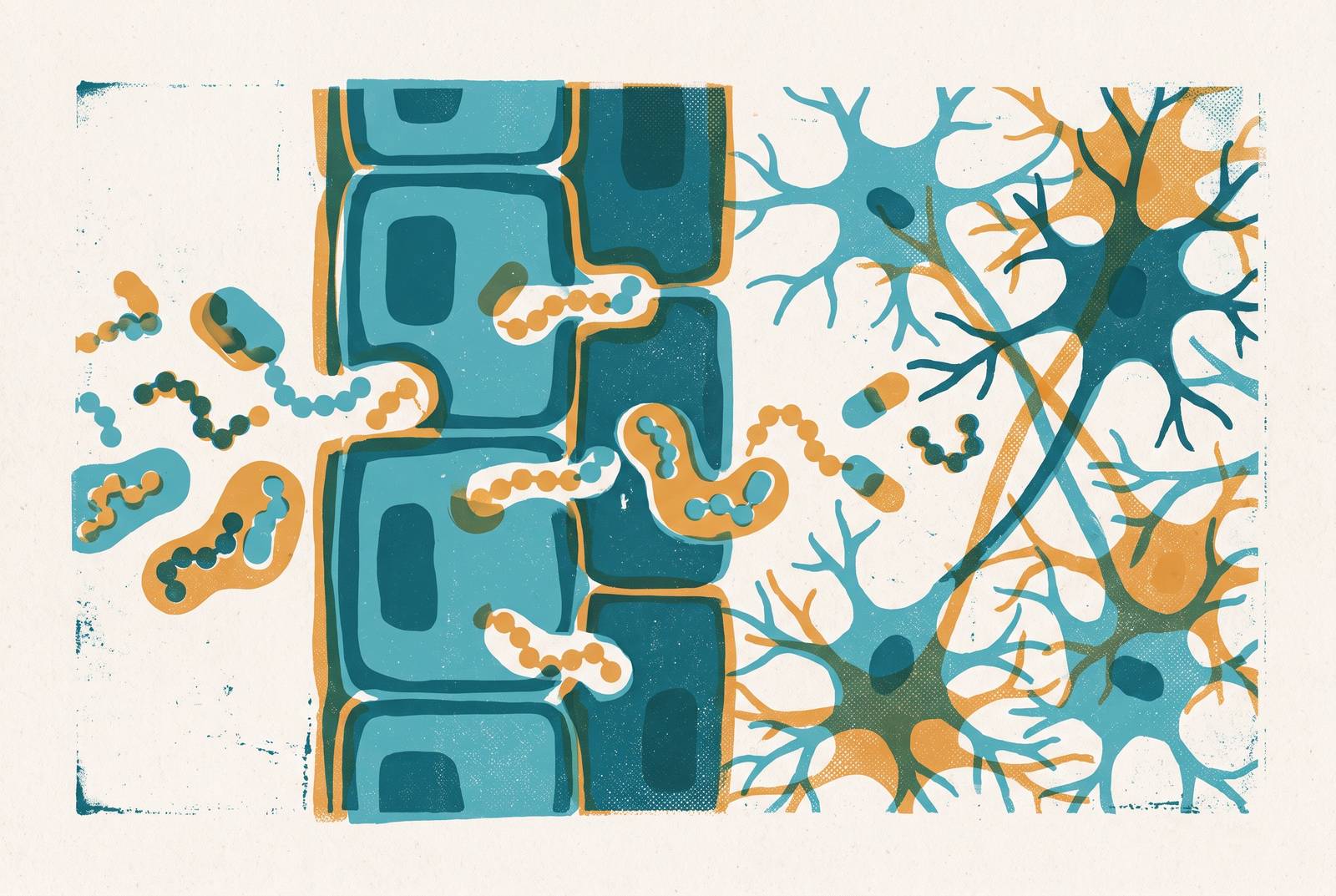
Receptor-mediated transcytosis changes the premise from overriding the barrier to using its transport biology. Brain endothelial cells express receptors including transferrin receptors, or TfR1, LRP-1 and nicotinic acetylcholine receptors. Ligand binding can trigger internalization and transport to the abluminal, brain-facing side. A therapeutic attached to the right ligand can use that route without opening tight junctions. The important distinction is between making the barrier broadly permeable and giving a particular cargo access to an existing transport process.
Li et al. described Angiopep-2 in 2016 as a 19-mer peptide derived from the human Kunitz domain that triggers transcytosis through LRP-1. Because LRP-1 is expressed on brain capillary endothelial cells and overexpressed in glioma, it offers both barrier and tumor targeting. The Angiopep-2–paclitaxel conjugate ANG1005 reached Phase II, with substantially higher in vivo brain uptake than unconjugated paclitaxel. TfR1-binding peptide conjugation has also been demonstrated for siRNA CNS delivery, extending the principle to nucleic acid cargoes. Denali Therapeutics has built BBB shuttle technologies around receptor-mediated transport to increase CNS exposure after systemic dosing.
However, receptor binding is only the start of delivery. Receptors can become saturated at high doses, while dependence on a particular receptor constrains flexibility across peptide types. Internalized cargo can also remain in endosomal compartments and face lysosomal degradation before reaching its intracellular target. Endosomal escape is therefore a bottleneck separate from barrier recognition.
What cell-penetrating peptides add to the transcytosis toolkit
Cell-penetrating peptides help cargo pass through membranes and into tissue without relying only on a particular receptor. These short, diverse peptides can facilitate translocation through mechanisms including direct membrane disruption, endocytosis and transient pore formation. Some also employ receptor-mediated pathways, so the categories overlap without being interchangeable. Their value lies in complementing receptor targeting where uptake or deeper penetration remains inadequate.
Li et al. showed in 2016 that combining Angiopep-2 with a cell-penetrating peptide improved paclitaxel translocation into the brain beyond Angiopep-2 alone. The conjugate paired LRP-1 targeting with an additional means of penetration, addressing both barrier crossing and solid tumor access. Cell-penetrating peptides have also carried siRNA, proteins and small molecules, giving them broad cargo flexibility. US Patents 4,902,505 and 4,801,575 establish historical context for chimeric neuropeptide delivery strategies dating to the 1980s. The concept predates modern molecular engineering, while the precision of design has changed.
That flexibility comes with limits. Cell-penetrating peptides can enter off-target cells, trigger immune responses or undergo protease degradation before reaching the brain. Toxicity is also a known risk at higher concentrations. They therefore complement rather than replace receptor-mediated transport, and neither approach is fully solved. Combining them inside a larger delivery system offers a way to assign different functions to different components.
How nanoparticle encapsulation wraps peptides in a delivery vehicle that can cross or evade the barrier
Nanoparticle encapsulation separates the therapeutic cargo from some of the properties needed for delivery. Instead of requiring the peptide itself to withstand the journey and interact with the barrier, an engineered particle protects it and presents a tailored surface. That surface can carry receptor ligands or cell-penetrating peptides, bringing protection and targeting into one vehicle. Angiopep-2 has been incorporated into nanoparticle delivery systems on this principle. Encapsulation is therefore not a rival to molecular targeting so much as a platform that can incorporate it.
Lipid-based carriers include liposomes, solid lipid nanoparticles and nanostructured lipid carriers, which offer biocompatibility and controlled release. Their lipid composition can be tailored to release kinetics relevant to chronic disease. Polymer-based carriers include PLGA nanoparticles and chitosan-coated PLGA, with biodegradable materials and tunable drug loading. Surface modification with neutral or weak anionic groups, including hyaluronic acid coating, can reduce non-specific binding to blood components and support adsorption-mediated endocytosis.
Work is still needed on endosomal escape, getting beyond perivascular spaces, making enough of the product and keeping it stable. No nanocarrier therapies for neurodegenerative diseases are yet available for clinical treatment in the evidence described here. Oral macrocyclic peptide platforms represent a separate engineering direction. Dayra Therapeutics was unveiled by Versant Ventures in November 2025 with a Biogen partnership, while Pinnacle Medicines raised an $89M Series B in March 2026 to advance its oral peptide pipeline through early clinical testing. A peptide designed for oral bioavailability still has to get from the blood to the brain.
Why nose-to-brain delivery is structurally different from every systemic strategy
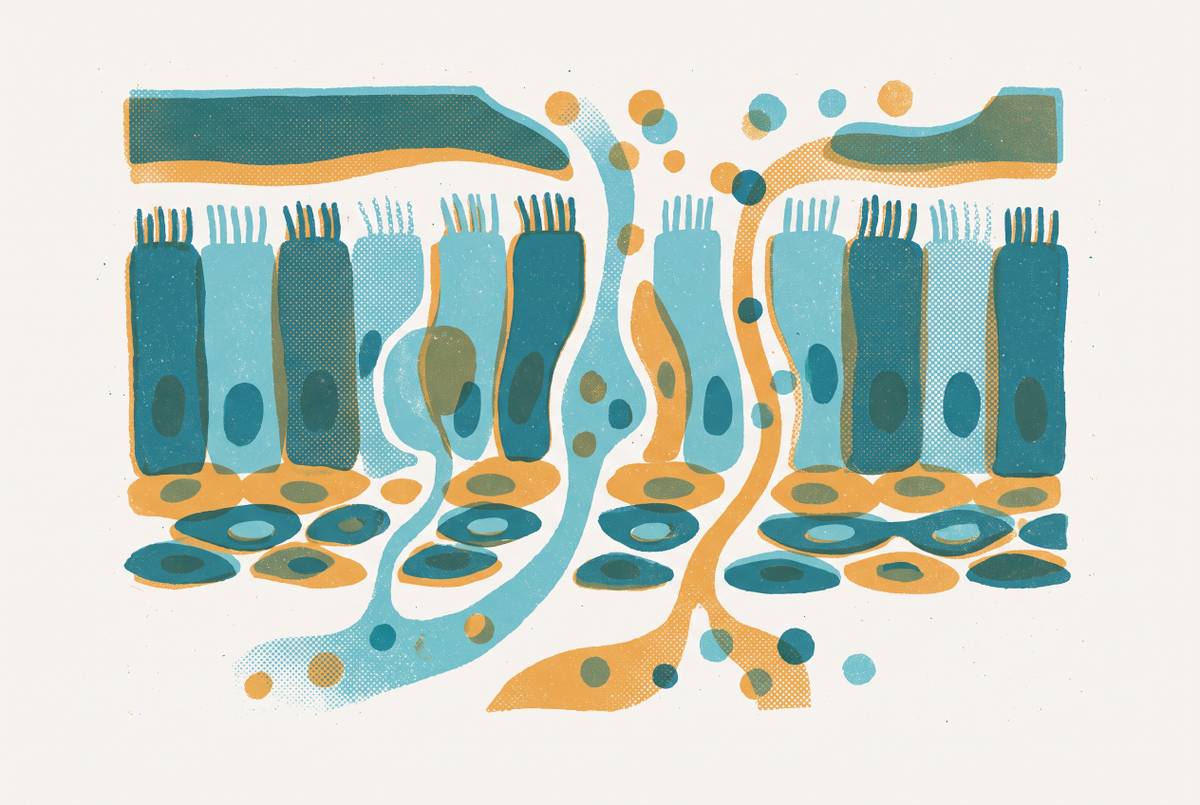
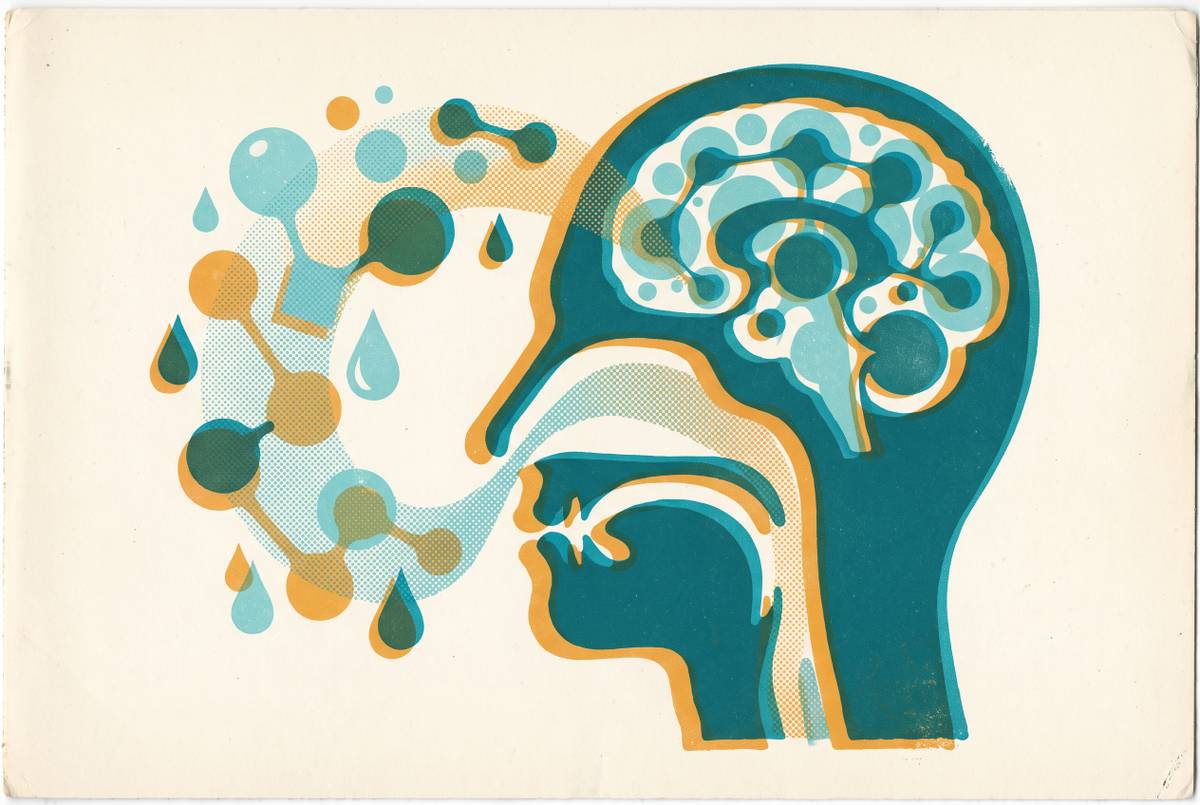
The olfactory and trigeminal nerve pathways connect the nasal cavity to the brain outside the BBB. Drug deposited on the olfactory epithelium can travel through intra- and extraneuronal pathways along olfactory nerve axons to the olfactory bulb and then deeper CNS structures. The trigeminal pathway provides another route to the brainstem and cerebellum. Unlike systemic delivery strategies, this anatomical route does not require the peptide to traverse the BBB.
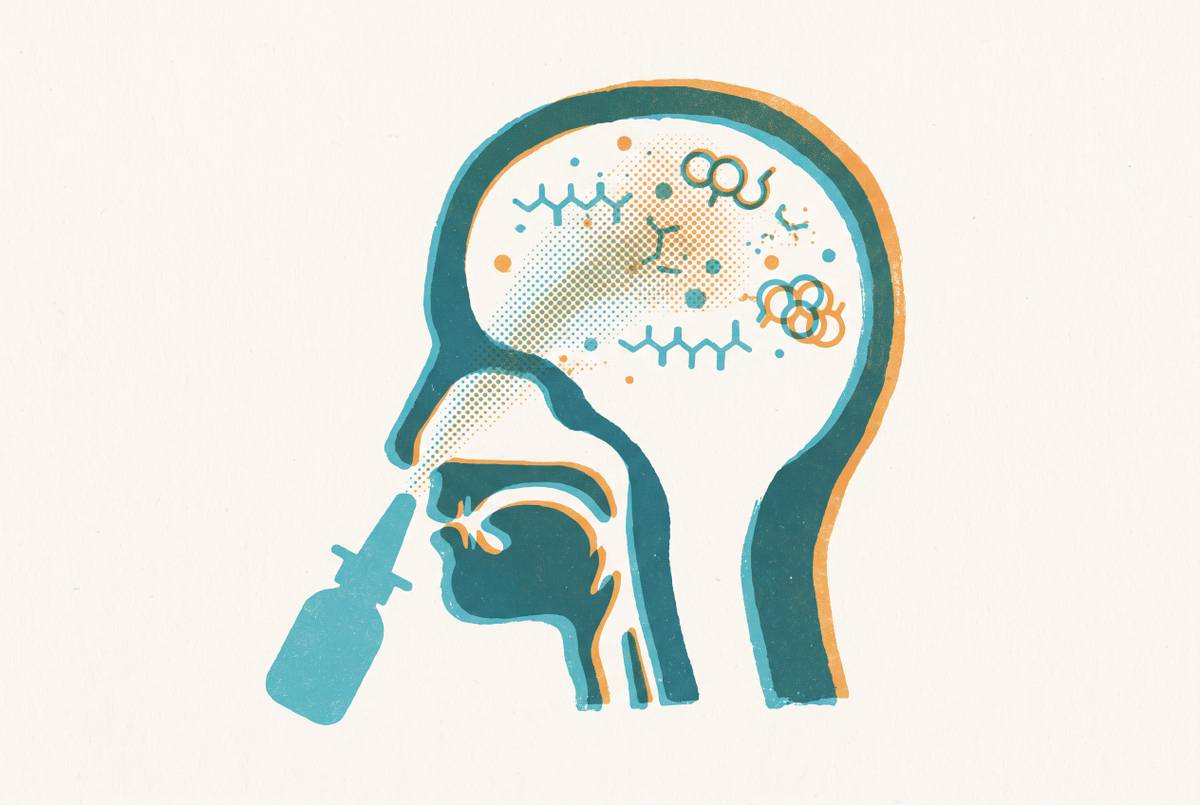
That distinction creates the possibility of higher CNS bioavailability without high systemic doses and with less off-target organ exposure. It also makes treatment simpler for patients because it needs no needles, implants or focused ultrasound equipment. The route has been used for cargoes including small molecules, peptides and proteins, stem cells, viruses and nucleotides. Nanoparticles can support this route rather than compete with it, since chitosan-coated PLGA can improve mucosal adhesion, residence time and olfactory epithelium uptake. Kouhjani et al. explored intranasal insulin in PLGA and chitosan-coated PLGA nanoparticles for Alzheimer's therapy in 2025.
Where the drug lands determines how much reaches the olfactory region and how much reaches the respiratory epithelium, where systemic absorption occurs. Device design and particle size are therefore delivery-critical variables. Limited olfactory surface area and mucociliary clearance constrain contact, while differences in the relative size of rodent and human olfactory regions complicate translation. Nanoparticle formulation can address these constraints, but it does not make them disappear.
Where GLP-1 peptides sit at the intersection of every delivery strategy discussed
GLP-1 receptor agonists bring the delivery framework into a clinically and commercially important setting. GLP-1Rs are expressed in the nucleus tractus solitarius, hypothalamus and hippocampus, connecting this peptide class to appetite regulation and neurological function. Peripheral vagal signaling alone does not explain the full CNS effect profile. Yet approved GLP-1 receptor agonists are large hydrophilic peptides, placing them squarely within the barrier’s unfavorable size and chemistry range. Their neurological promise therefore sharpens the distinction between a biologically relevant target and a deliverable therapy.
Preclinical models show effects including reduced protein aggregation, enhanced autophagy, improved mitochondrial function, suppressed neuroinflammation and preserved synaptic integrity. In Alzheimer's and Parkinson's models, reported effects include reduced amyloid-β deposition, limited tau hyperphosphorylation and preserved cortical architecture. A multi-cohort dataset of over 100,000 individuals found an association between GLP-1RA use and reduced dementia incidence. Observational literature also links use to reduced addiction behaviors, including nicotine and alcohol consumption in people with type 2 diabetes. These findings establish breadth of opportunity for brain-targeted treatment, whose ability to reproduce those outcomes remains to be demonstrated.
Delivery must be tested for its ability to support long-term neurological treatment without putting too much strain on the rest of the body. Nausea and GI side effects contribute to injectable GLP-1 discontinuation, making exposure outside the brain relevant to both clinical use and adherence. None of the systemic receptor-mediated, cell-penetrating peptide or nanoparticle approaches has yet been applied to GLP-1 CNS delivery at clinical scale. Nose-to-brain nanoparticles offer a particularly coherent design because anatomical routing and encapsulation could address brain access, peripheral exposure and formulation durability together. Demonstrating adequate regional delivery and improved tolerability remains the translational task.
How the five strategies compare when matched against specific peptide CNS indications
The comparison turns on four variables, which are invasiveness and patient burden, targeting selectivity, cargo compatibility and safety. Invasive opening or direct infusion may be justified when the disease is severe enough to warrant the procedure and no non-invasive option exists, including in rare neurosurgical or gene therapy uses. Focused ultrasound fits localized indications such as focal tumor delivery or targeted gene therapy more naturally than chronic systemic peptide dosing. Its spatial precision distinguishes it from osmotic opening without removing its procedural demands.
Receptor-mediated transport is a strong fit for antibody-drug conjugates and oligonucleotides requiring CNS exposure after systemic dosing. Denali Therapeutics and Roche Brain Shuttle platforms exemplify this approach, although receptor saturation constrains high-dose chronic peptide therapy. Cell-penetrating peptides add cargo flexibility and penetration, but specificity and toxicity concerns favor their use as components of larger systems. Systemic lipid and polymer nanoparticles can combine targeting with sustained release for chronic CNS conditions. Their suitability remains conditional on distribution, intracellular delivery and the unresolved clinical translation gap.
For GLP-1 and similar large hydrophilic peptides aimed at hypothalamic or limbic circuits, nose-to-brain nanoparticle delivery offers the strongest structural match among these approaches. It combines a route around the BBB with formulation tools for mucosal adhesion and controlled release, while offering lower patient burden and the prospect of reduced systemic GI exposure. Those strengths could help overcome barriers to long-term neurological use, but studies still need to show gains in adherence and efficacy. The best delivery strategy is the one whose mechanism fits the cargo, target region and treatment burden, and for neurological GLP-1 therapy, that logic points toward an anatomical route supported by nanoparticle engineering.
Sources
- Delivery of a peptide-drug conjugate targeting the blood brain barrier improved the efficacy of paclitaxel against glioma
- Peptide-Based Delivery Systems: Selected Insights into Cell-Penetrating Peptides
- Chimeric peptides for neuropeptide delivery through the blood-brain barrier
- Chimeric peptides for neuropeptide delivery through the blood-brain barrier
- Intranasal Drug Delivery in Neuropharmacology: Advances in Brain-Targeted Therapies and Bioethical Challenges - PMC