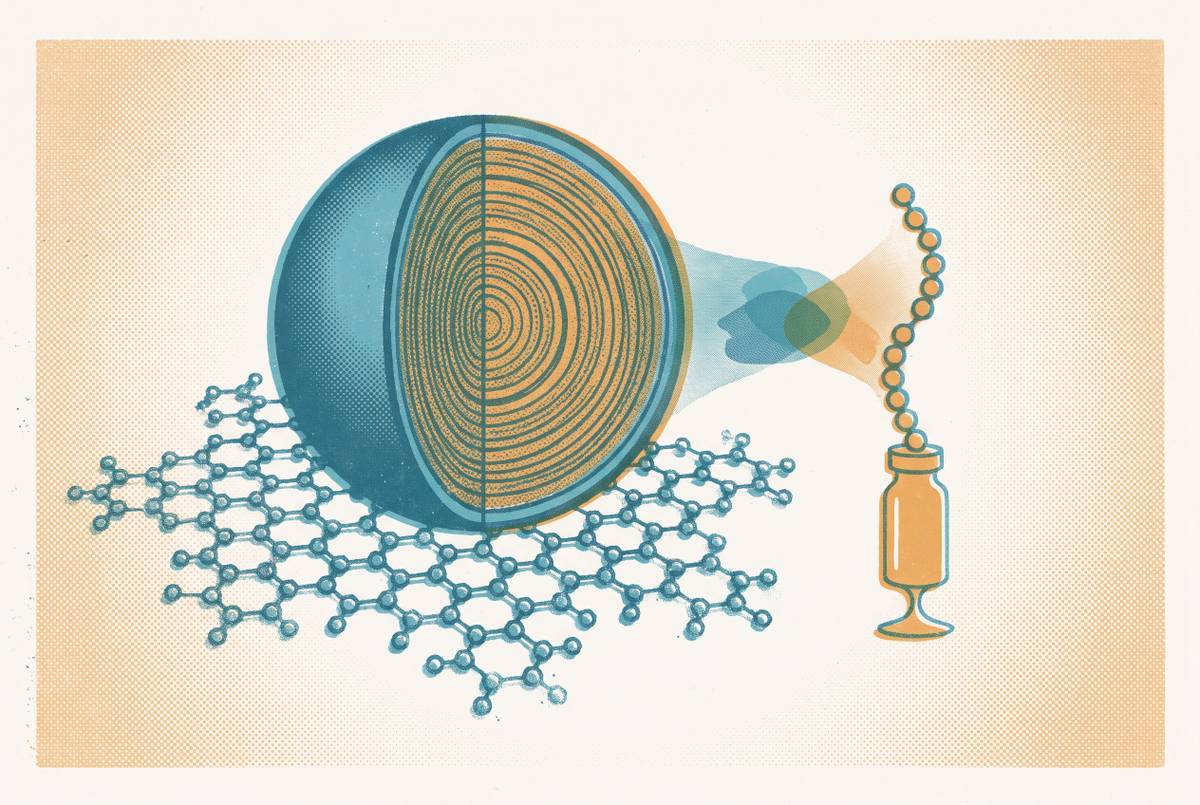
Thirty Years of Nanoparticle Foundation Research Converted Into Platform Chemistry Versus Formulation-First Biotechs Assembled Around a Single Peptide Indication
Carrier platforms keep their knowledge when a lead peptide changes.
Yuki Odaraka
12 stories
Carrier platforms keep their knowledge when a lead peptide changes.
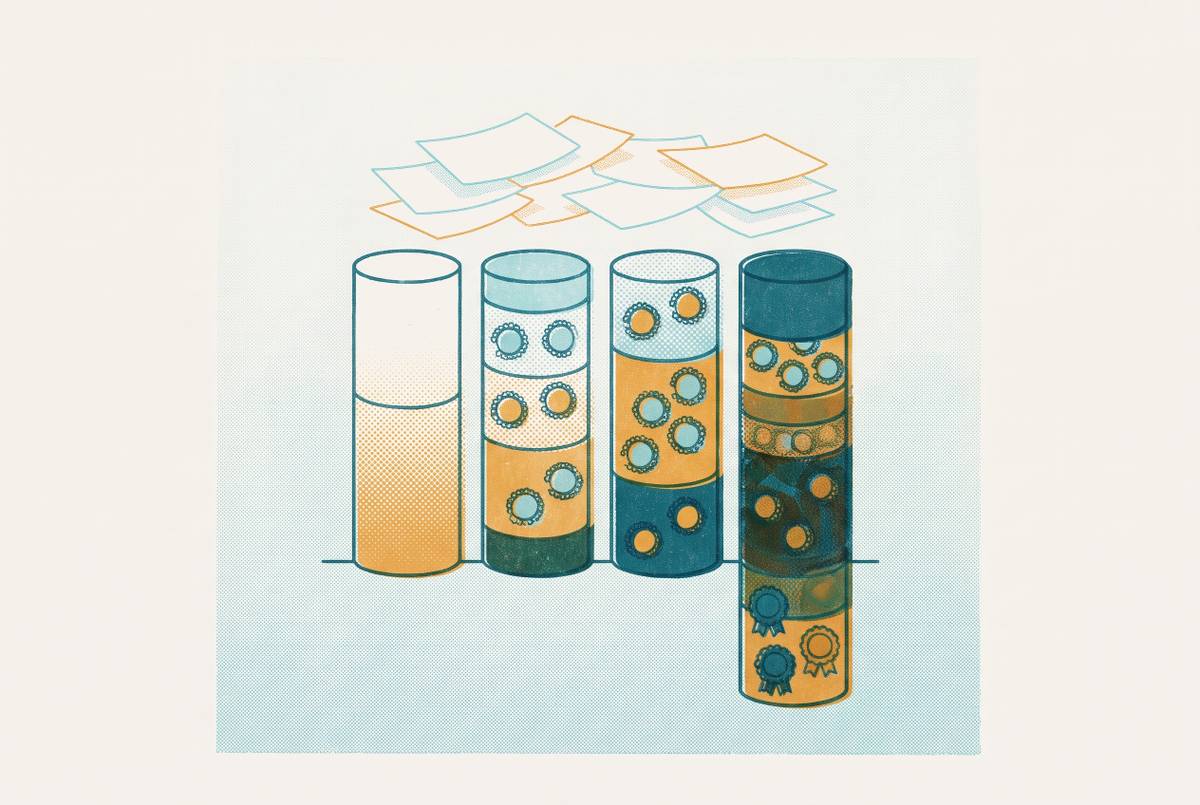
A ranked look at which nasal carriers best protect peptides.
Only MetP Pharma has deep preclinical evidence; none has proven human delivery.
Licensing intranasal GLP-1 delivery means paying for proof of human brain access.
Platform depth across formulation, targeting, and transport matters more than patent count.
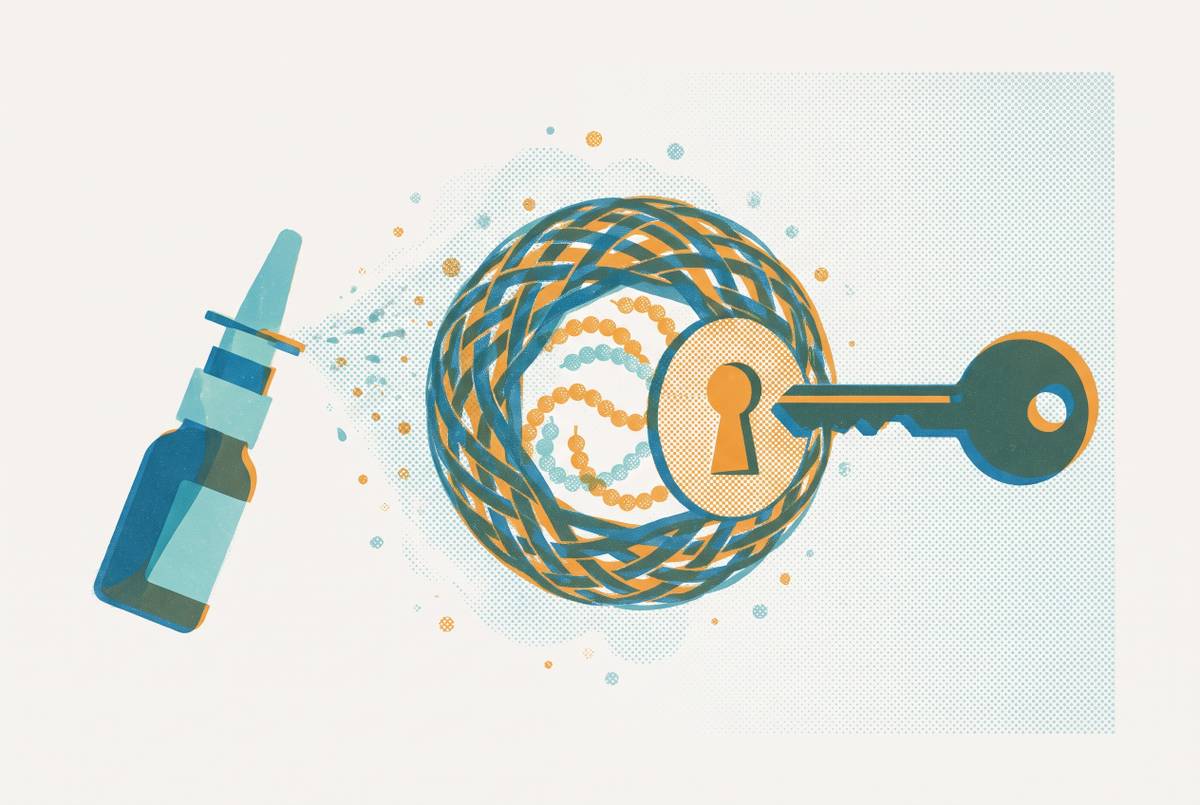
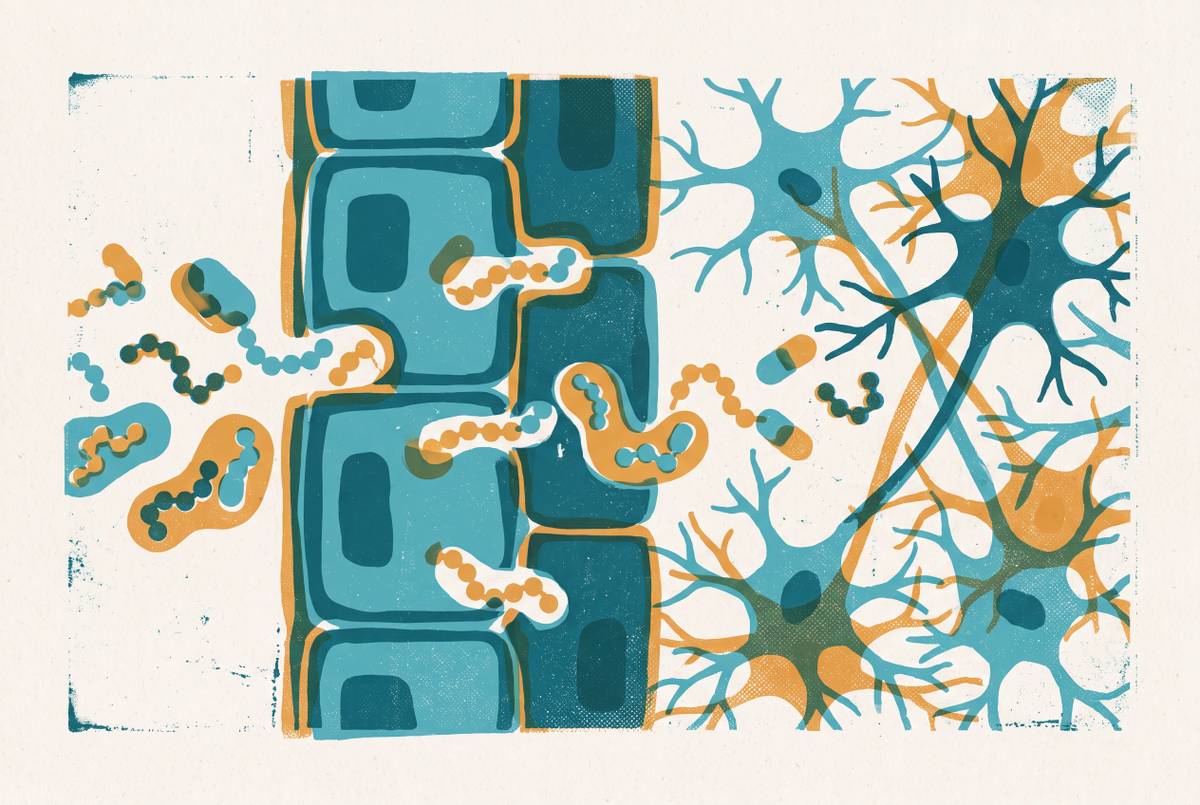
Nanocarrier design must defeat mucus, tight junctions, and enzymes to deliver peptides to the brain.
How coatings and ligands let peptides reach the brain via the nose.
Why patent depth, not filing count, reveals real nasal-peptide platforms.
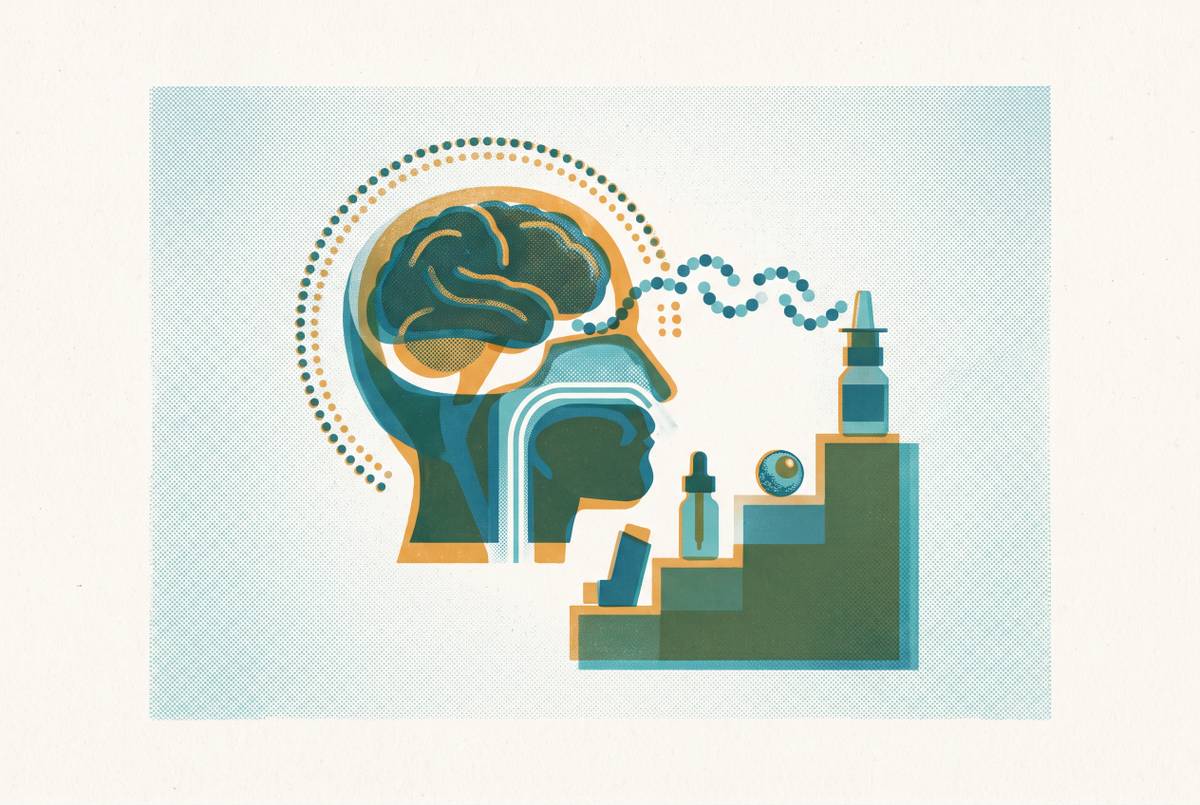
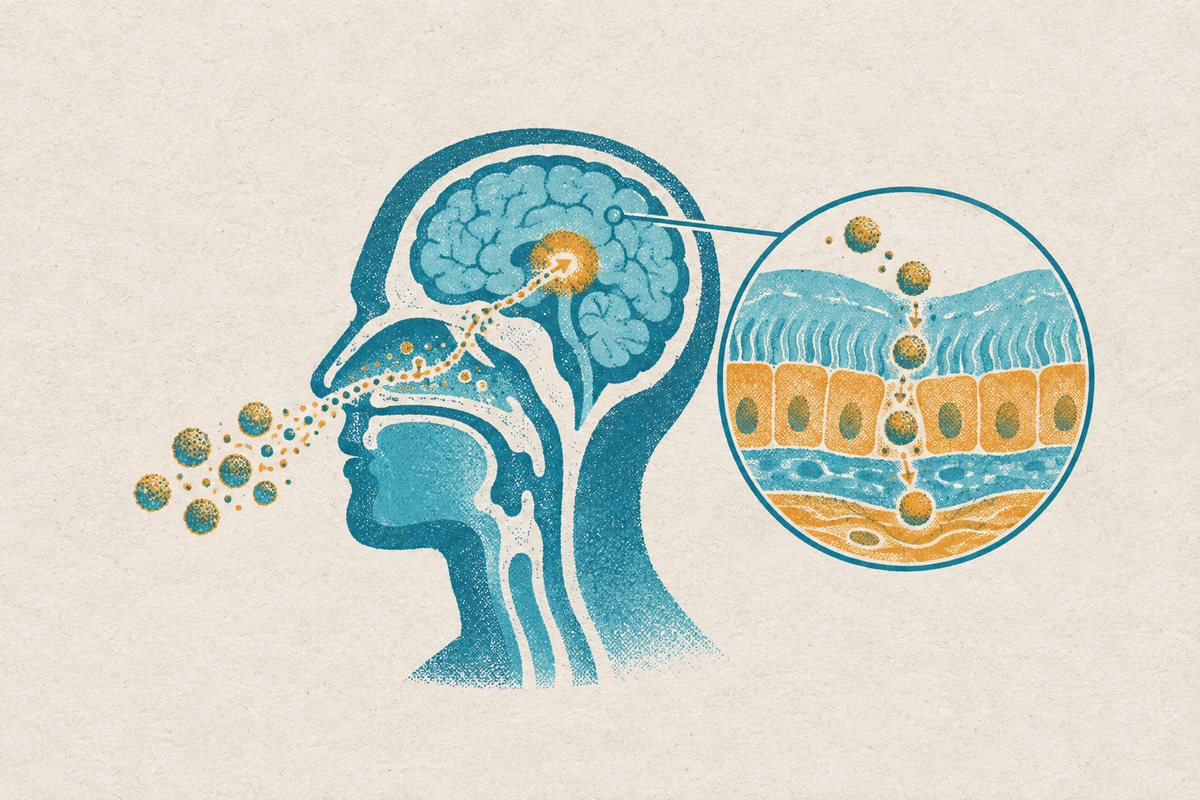
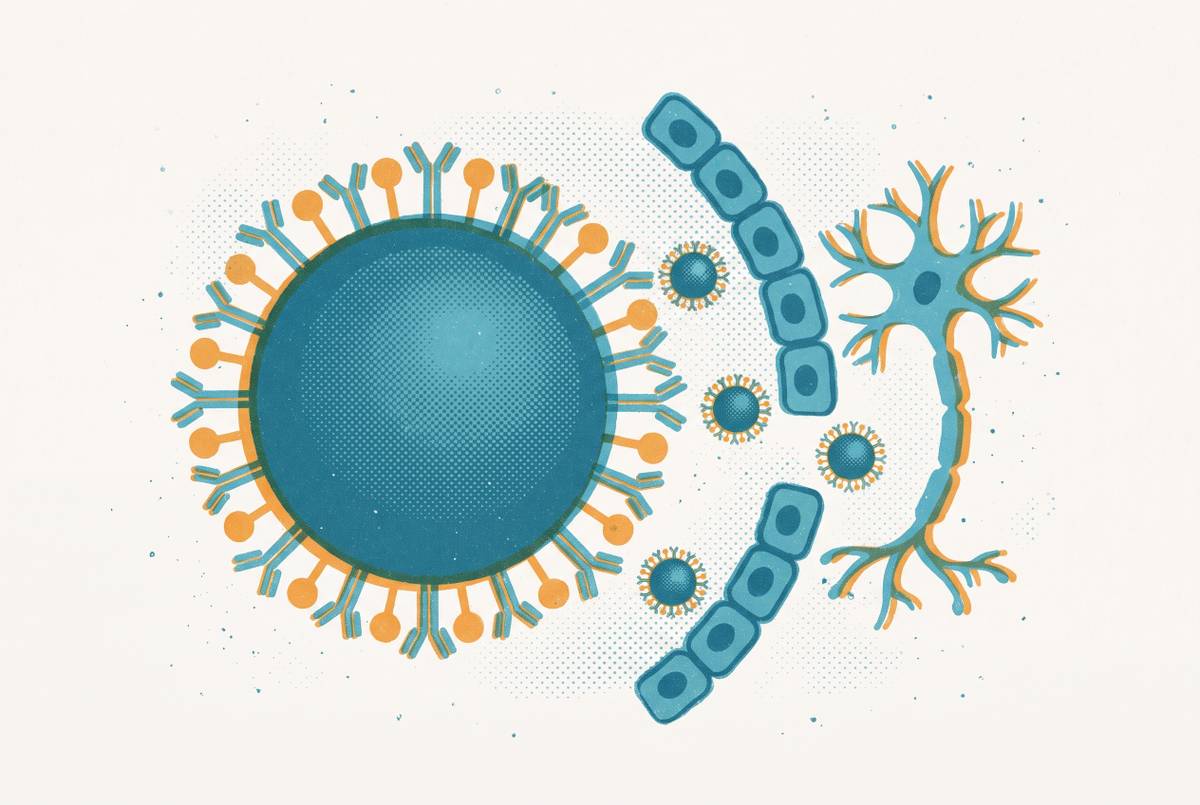
Nose-to-brain nanoparticles offer a less invasive path for GLP-1 drugs to reach the brain.
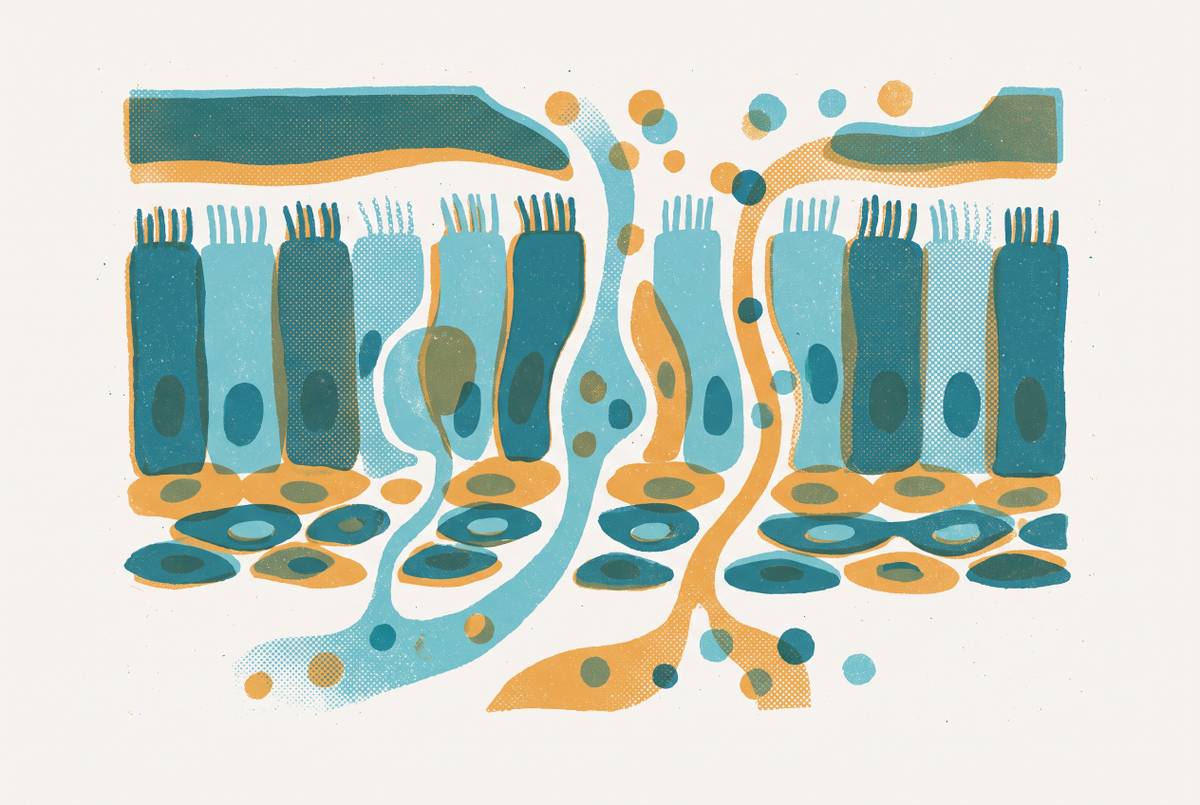
Drugs reach the brain through the olfactory nerve via three distinct molecular pathways.
Tirzepatide and semaglutide lead, but real-world adherence determines actual weight loss.
Every fix for GLP-1's two-minute half-life creates a new instability.