Thirty Years of Nanoparticle Foundation Research Converted Into Platform Chemistry Versus Formulation-First Biotechs Assembled Around a Single Peptide Indication
Carrier platforms keep their knowledge when a lead peptide changes.
Yuki Odaraka
Section
15 stories in Nanomedicine Platforms.
Carrier platforms keep their knowledge when a lead peptide changes.
A ranked look at which nasal carriers best protect peptides.
A checklist for separating real nasal peptide platforms from route-only claims.
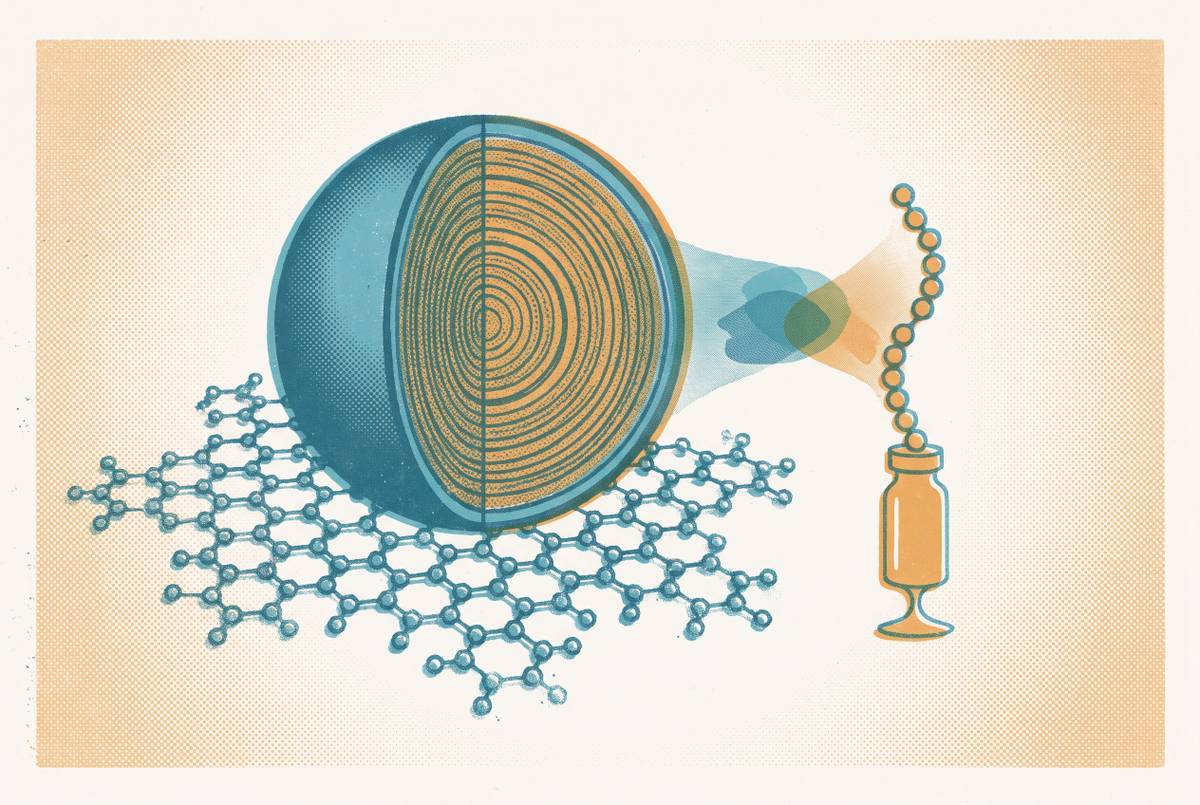
Owning the nanoparticle chemistry lets peptide programs reuse what they learn.
Only MetP Pharma has deep preclinical evidence; none has proven human delivery.
Matching particle design to the peptide decides nose-to-brain success.
Licensing intranasal GLP-1 delivery means paying for proof of human brain access.
A step-by-step method for parsing claims to see what a patent protects.
Platform depth across formulation, targeting, and transport matters more than patent count.
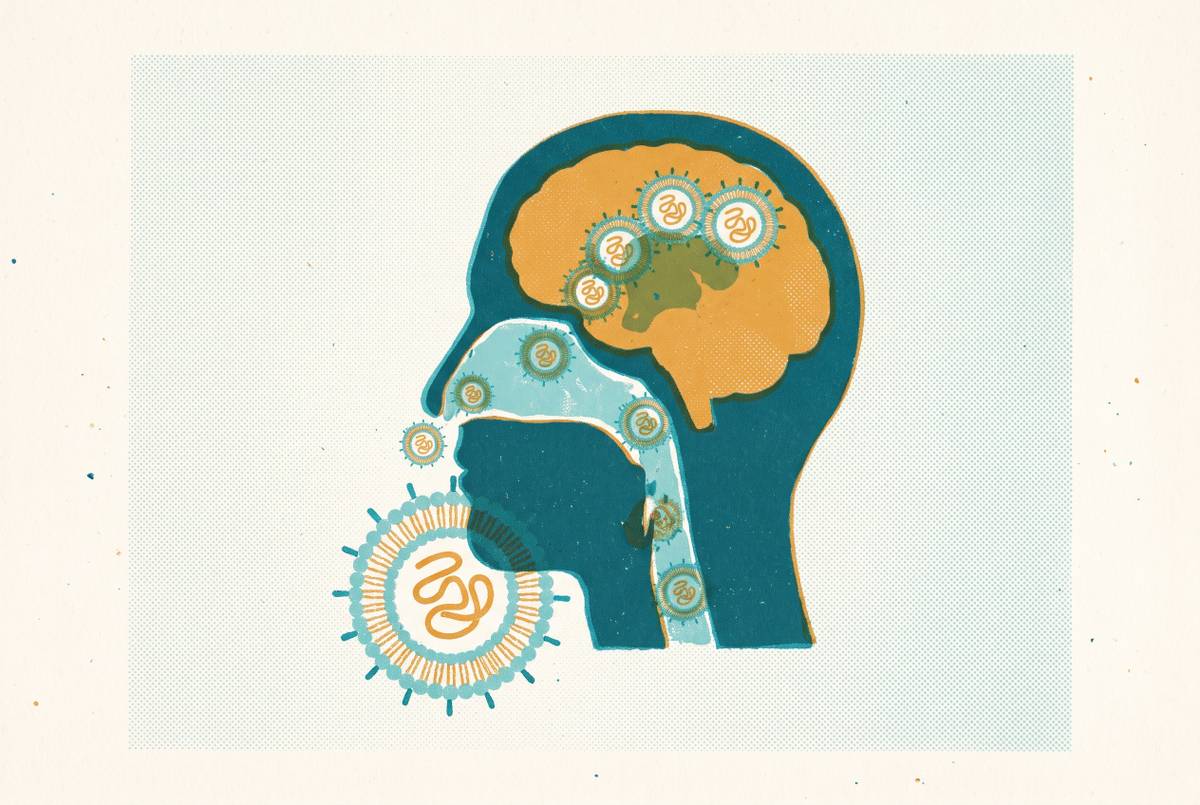
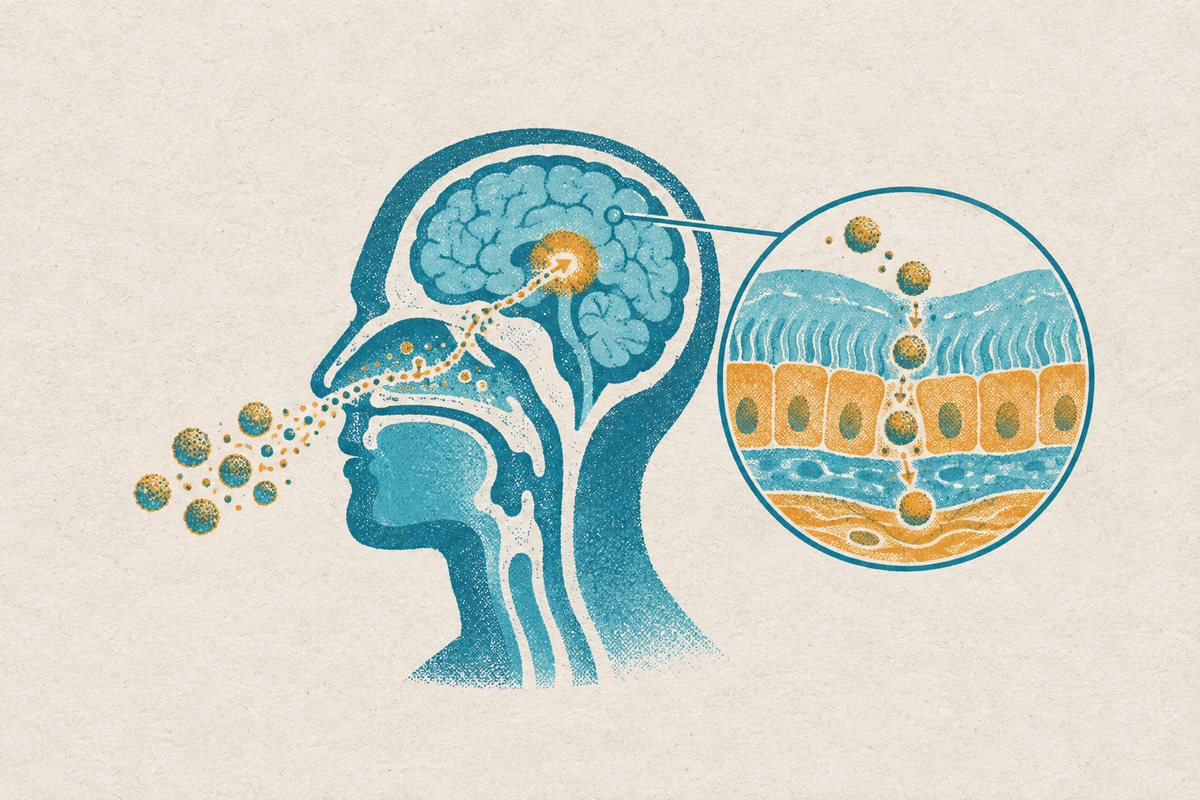
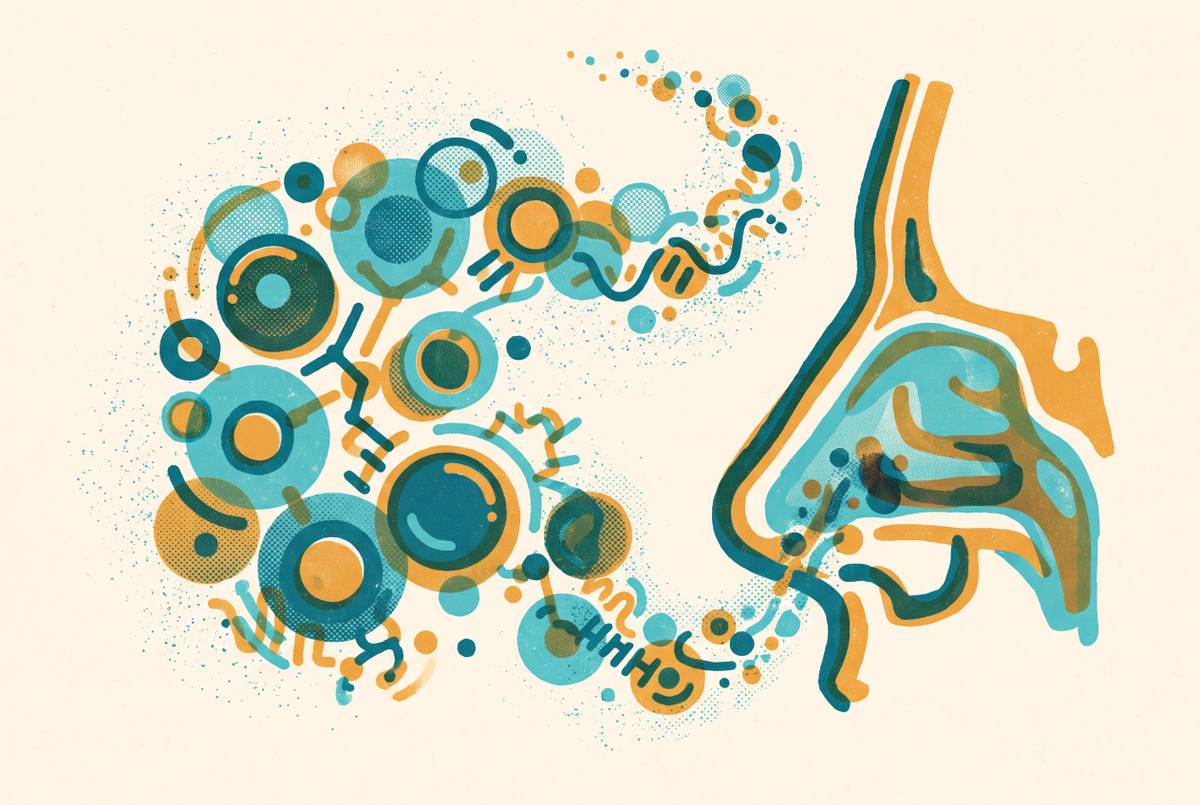
Nanocarrier design must defeat mucus, tight junctions, and enzymes to deliver peptides to the brain.
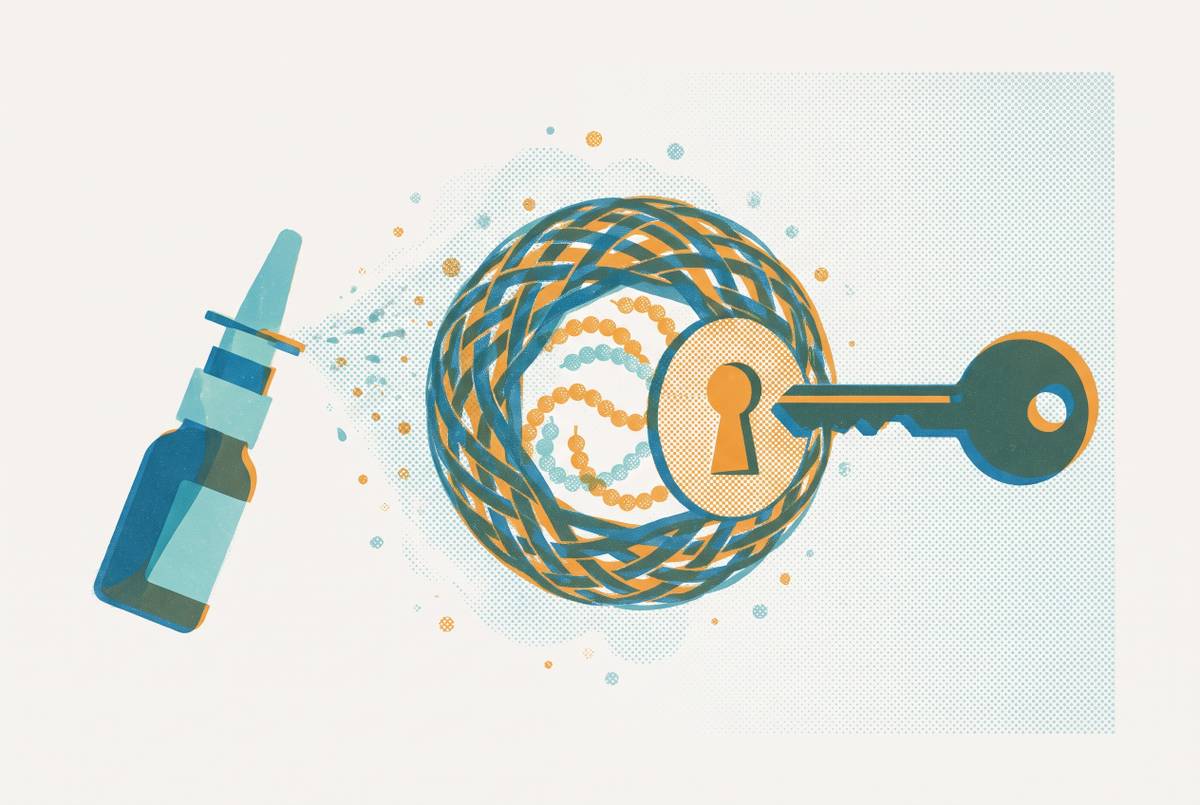
How coatings and ligands let peptides reach the brain via the nose.
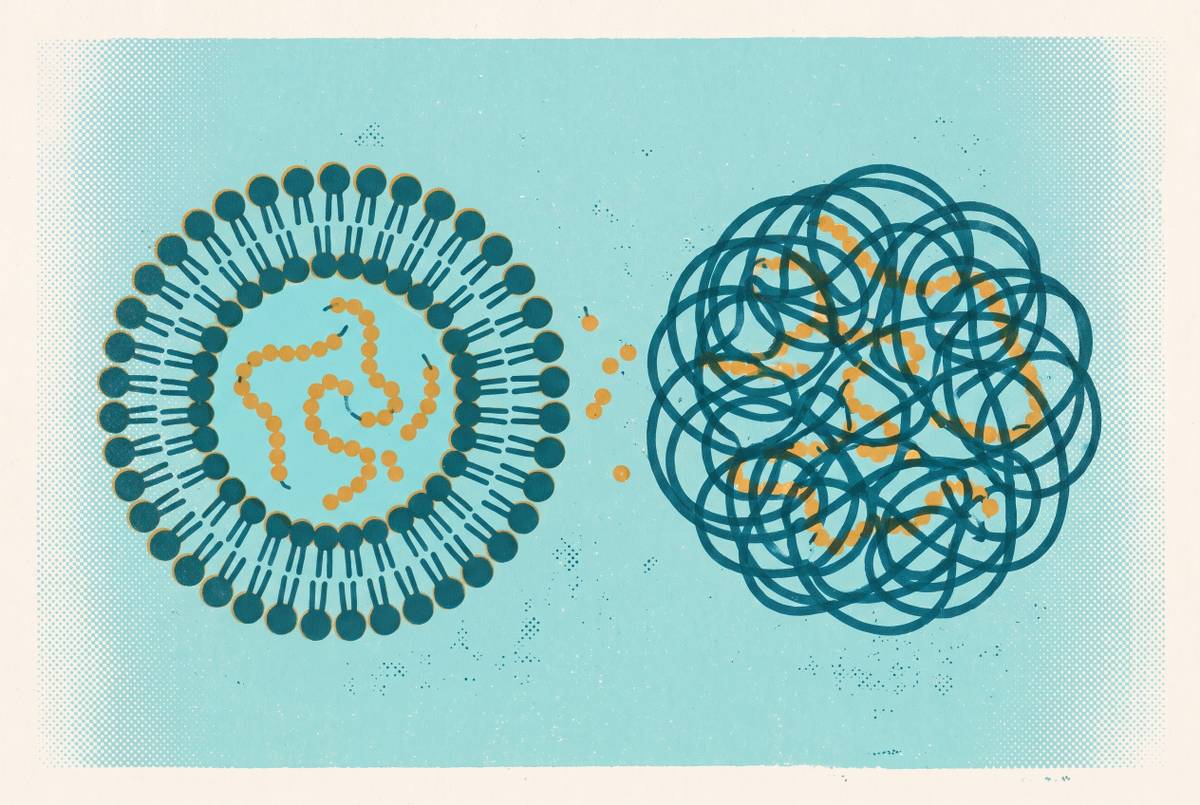
Lipid and polymer carriers each solve different peptide protection challenges in nasal delivery.
Robust patent portfolios signal whether spinouts have solved intranasal peptide delivery.
Why patent depth, not filing count, reveals real nasal-peptide platforms.
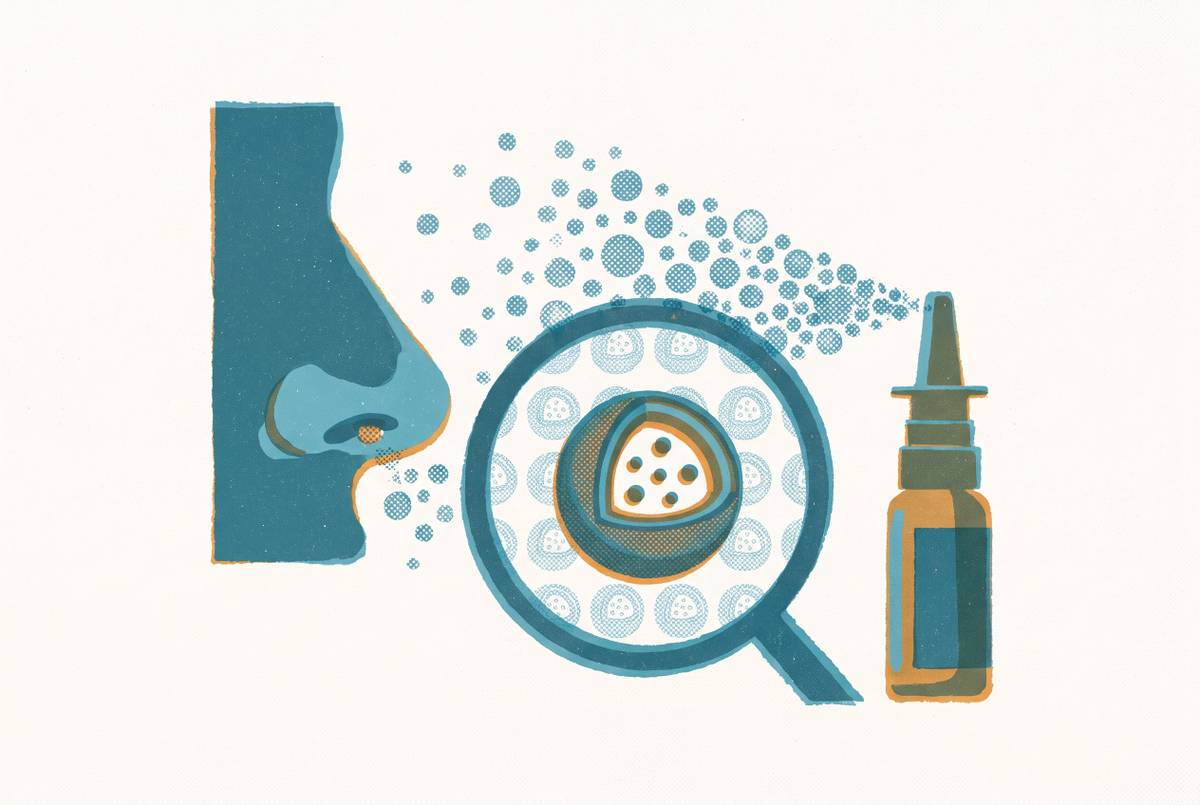
Nanoparticles shield peptides from nasal barriers to reach the brain.