Olfactory Epithelium Anatomy and Drug Permeation Pathways
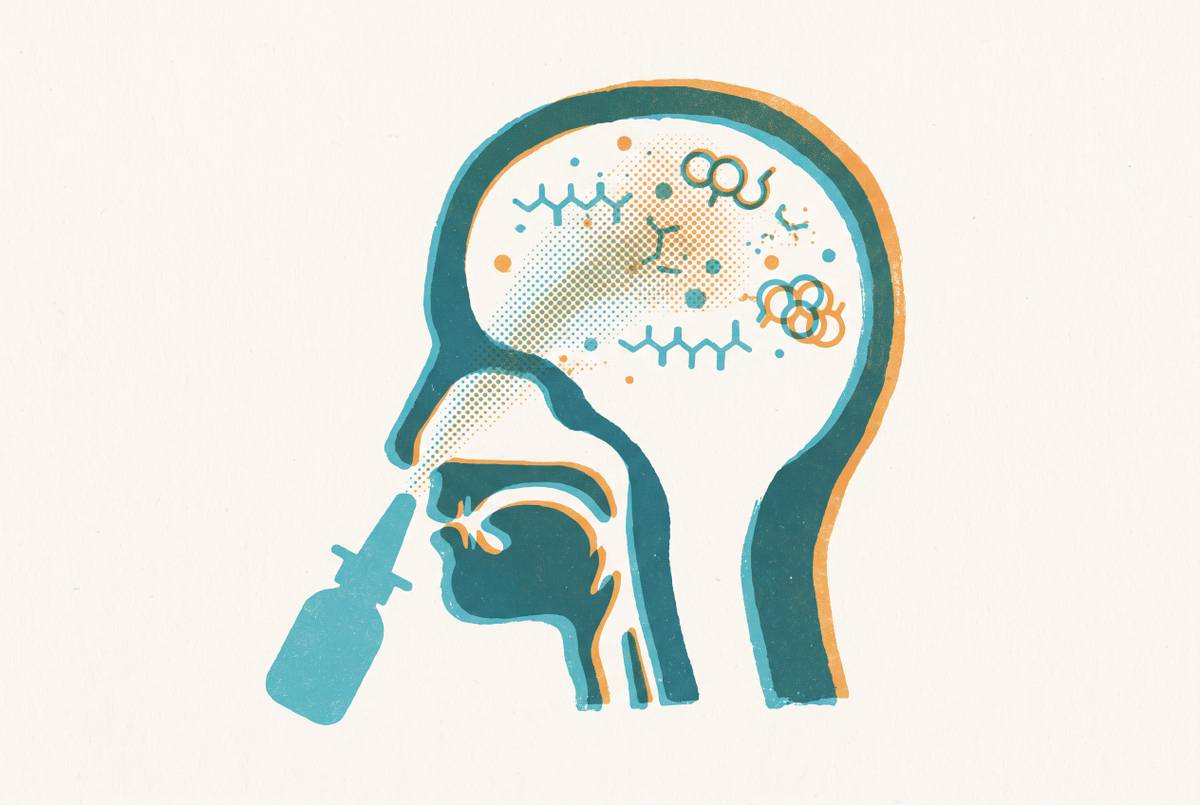
Drugs reach the brain through the olfactory nerve via three distinct molecular pathways.
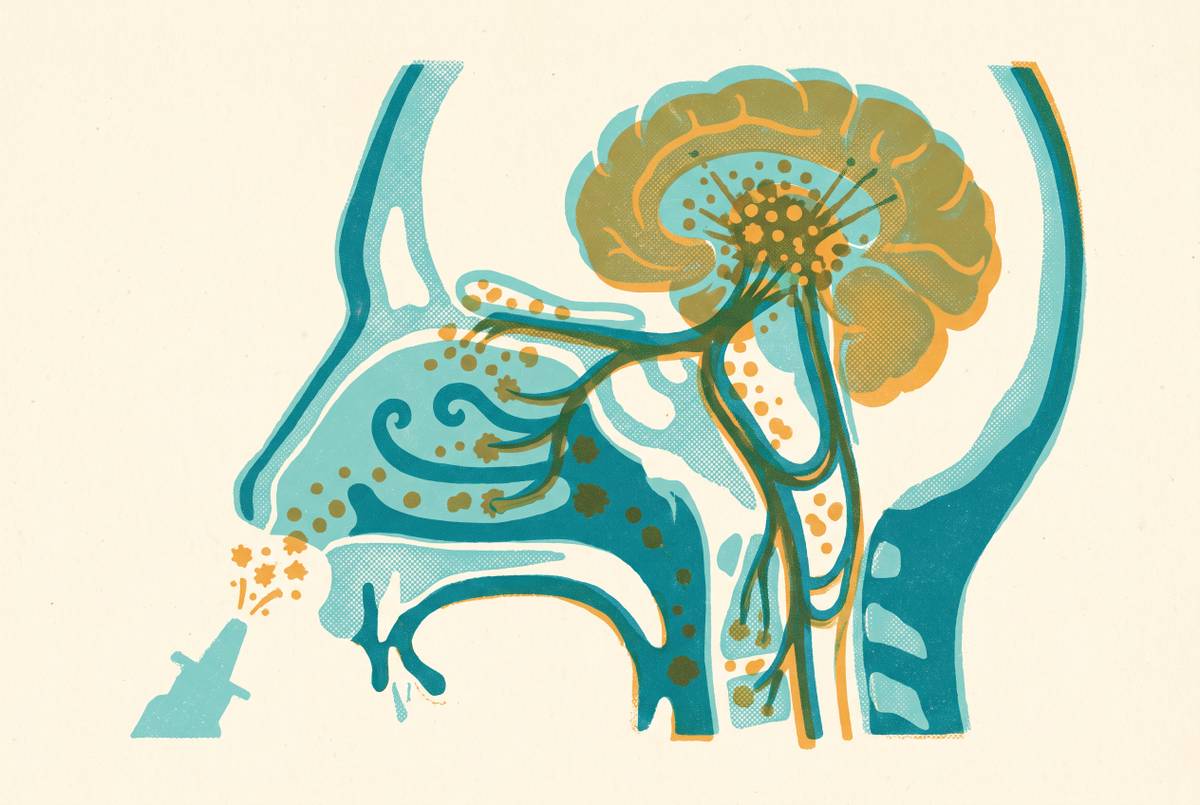
The olfactory epithelium is the only part of the central nervous system that sits in direct contact with the outside world, and that single anatomical fact is what makes it worth an entire article. Only the olfactory zone carries the property that matters for CNS drug delivery. Research published in Translational Neurodegeneration in 2025 by Drath and colleagues describes the olfactory nerve as a direct connection between brain and nose, running from the olfactory bulb through the lamina cribrosa, also known as the cribriform plate, to the olfactory region itself. The respiratory epithelium, which covers most of the nasal cavity, does something entirely different: it humidifies and warms incoming air, and whatever route it offers to the CNS runs through systemic absorption followed by trigeminal nerve pathways, with no direct neural continuity. That distinction between the two zones decides which transport mechanisms exist at all, and everything a formulation scientist can design depends on it.
The cellular architecture of the olfactory epithelium
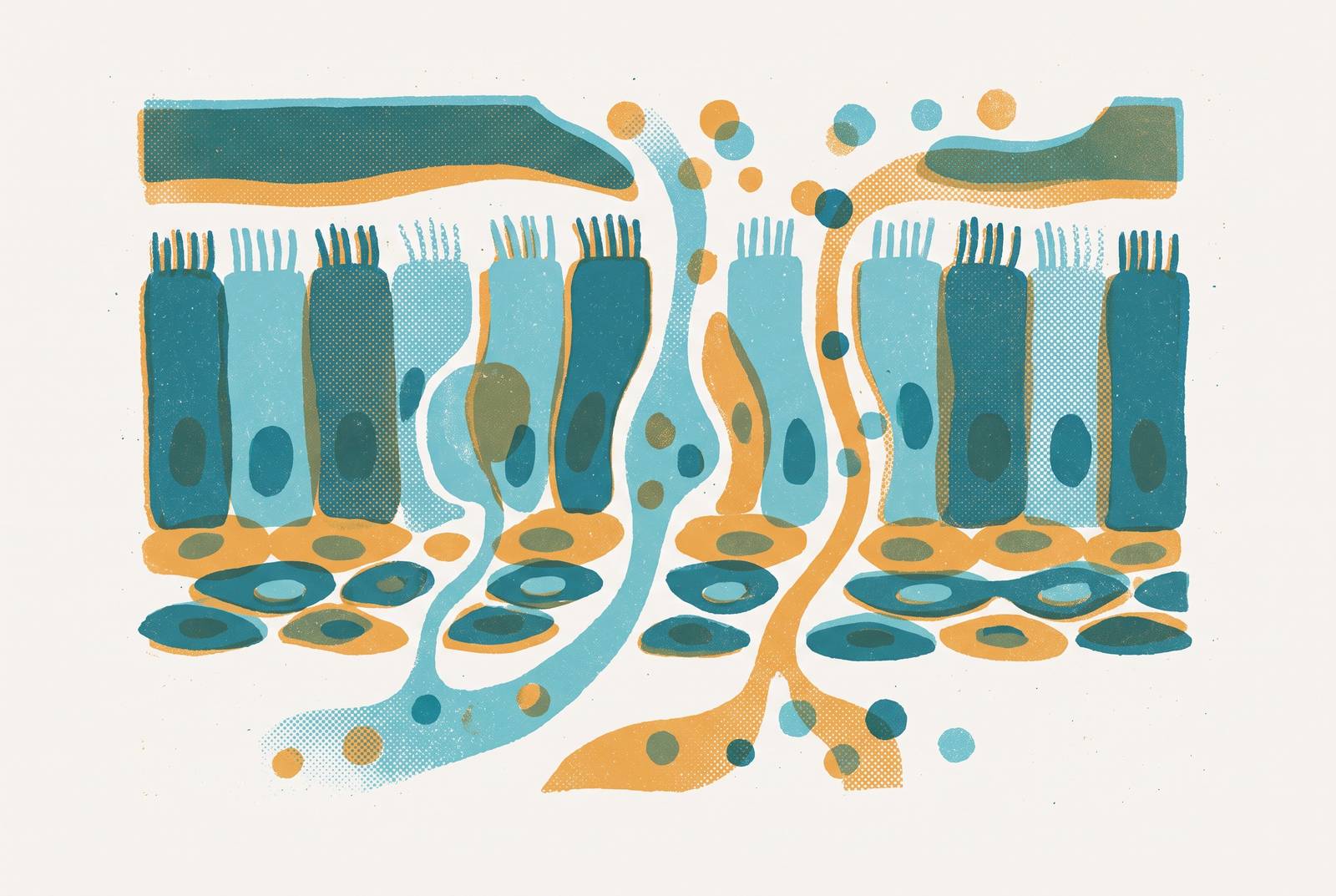
The transport potential of the olfactory epithelium follows directly from what kind of cells make it up. The bipolar olfactory sensory neurons do the heaviest lifting structurally: they send dendrites up to the epithelial surface and axonal processes down and back, bundled together as the fila olfactoria, through the cribriform plate and into the olfactory bulb. That arrangement builds an unbroken cellular bridge from the nasal lumen straight into brain tissue, a feature no other peripheral tissue in the body has. Drath and colleagues describe the fila olfactoria as fine nerve fibers originating from the olfactory nerve and running from the olfactory bulb through the lamina cribrosa to the olfactory region, confirming the olfactory nerve as the direct conduit between nose and brain. The cribriform plate, introduced here as the structure these axon bundles must cross, becomes the subject of the next section.
The cribriform plate as the anatomical gateway that all three permeation pathways must cross
Every route a drug takes from the olfactory epithelium into the central nervous system has to pass through or alongside the cribriform plate. That perforated sheet of bone is the literal gateway in any anatomy-as-blueprint account of nose-to-brain delivery. The fila olfactoria thread through its perforations, and the perineural spaces that surround those axon bundles travel through the same openings, so intracellular axonal transport and extracellular perineural transport share one bony passageway. Because all three pathways converge on this one small anatomical zone, deposition accuracy at the olfactory cleft becomes the rate-limiting step for any CNS-targeted intranasal formulation. Anatomy creates a bottleneck here that no amount of clever chemistry downstream can undo.
Three permeation pathways through the olfactory epithelium
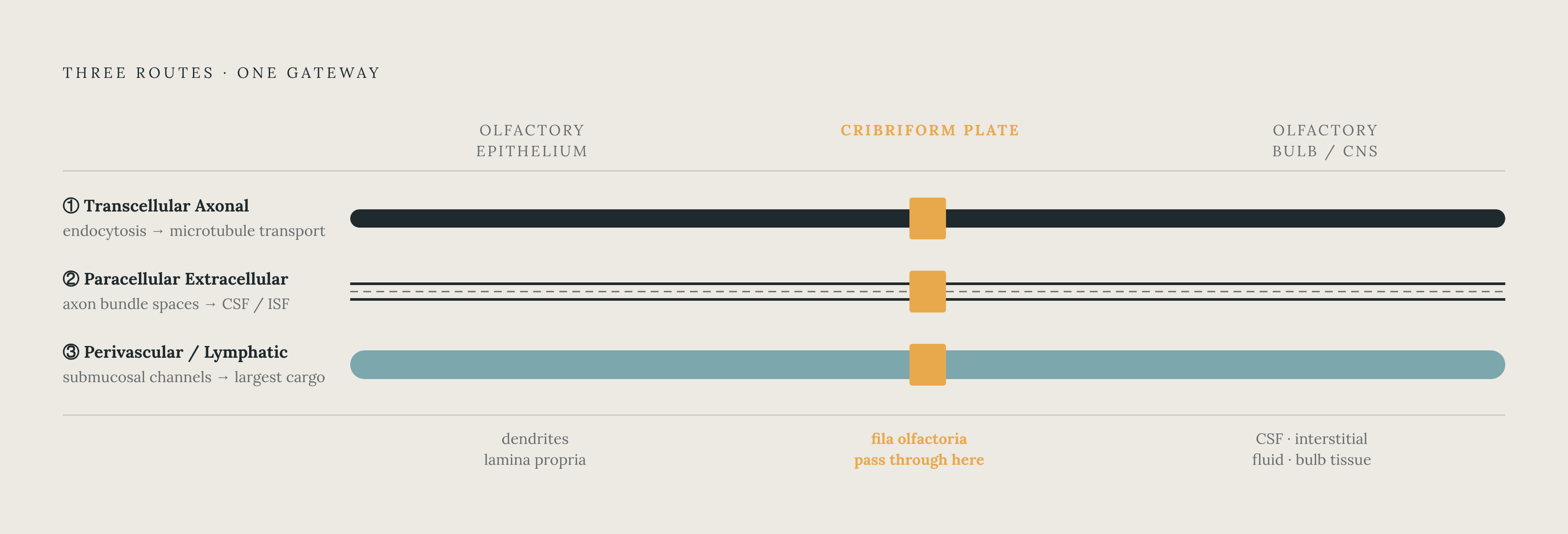
Once a drug molecule clears the mucus layer and reaches the epithelial surface, it can travel into the brain by one of three mechanistically distinct routes: transcellular axonal transport, paracellular extracellular diffusion, or perivascular and lymphatic transport. Knowing how each one works at the molecular level is what separates a formulation built on reasoning from one built on repeated guessing.
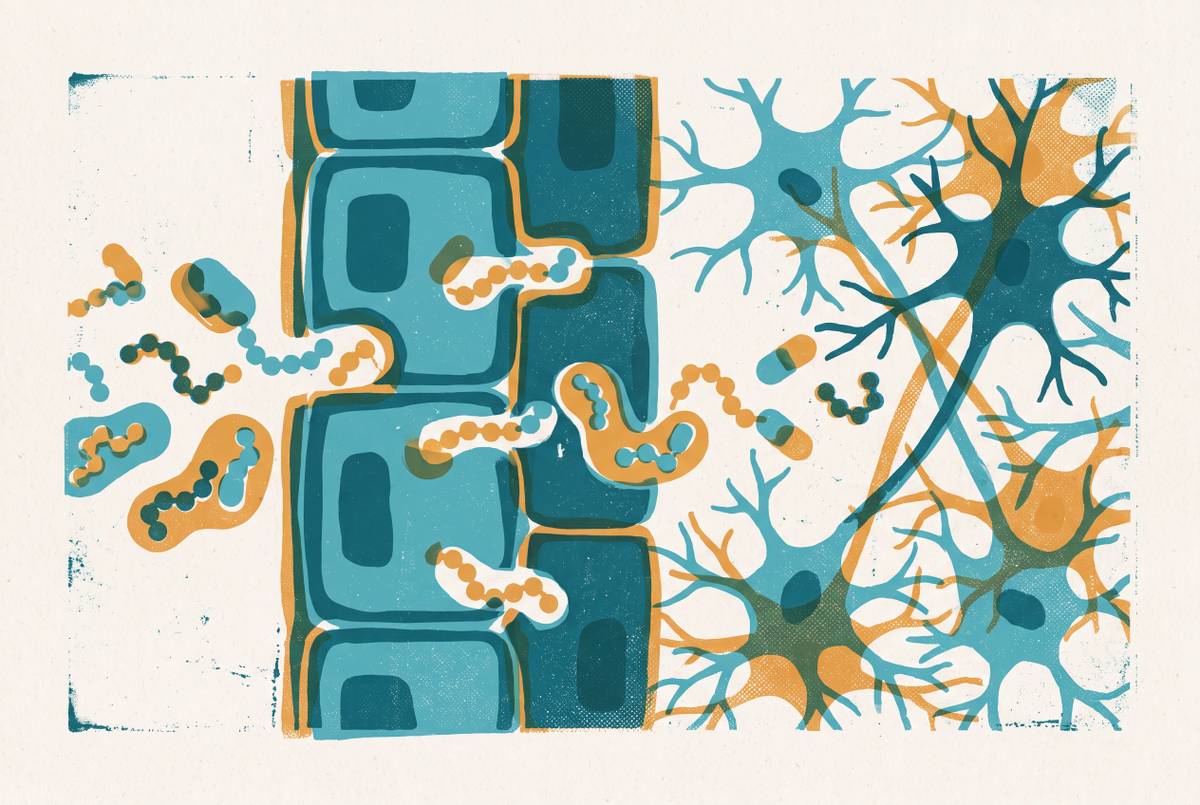
The transcellular route runs through the olfactory sensory neurons themselves. Drug molecules are taken up at the dendritic surface by adsorptive or receptor-mediated endocytosis, then carried along microtubule-based axonal transport through the fila olfactoria to the olfactory bulb, where they are released into neuronal cytoplasm. What it delivers in exchange for that slowness is cargo placed directly into neural tissue with very little systemic dilution along the way. Because the transport depends on active cellular machinery rather than passive diffusion, a molecule's size, charge, and lipophilicity directly determine how efficiently it gets taken up.
The paracellular route skips the neuron's interior, with molecules diffusing instead through the extracellular spaces between axon bundles and along the perineural sheath surrounding the fila olfactoria, and once past the cribriform plate they distribute into the cerebrospinal fluid and interstitial fluid of the olfactory bulb. The rate-limiting variable here is the tightness of the epithelial junctions themselves, so any formulation strategy that modulates junction permeability, mucoadhesive excipients included, acts specifically on this one pathway.
The third route runs through the submucosal space. The lamina propria presents perineural, perivascular, and lymphatic channels associated with the bundled olfactory nerves, and drug molecules that penetrate the epithelium can enter these channels and travel centrally through them, as one study describes. This pathway tolerates size better than either of the other two, which makes it the one most relevant to nanoparticle carriers: particles too large for transcellular uptake or for passage through tight junctions can still reach the CNS through these submucosal channels.
None of these three pathways operates in isolation. A single formulation can engage all three at once, and which one dominates depends on the molecular properties of the drug and the design of whatever carrier delivers it, the subject the next section takes up directly.
How molecular properties of a drug determine which pathway it will use
Size, charge, lipophilicity, and stability in the mucosal environment are not side notes about a drug molecule. They are the variables that decide which of the three permeation pathways that molecule will actually use, and a formulation strategy that ignores this mapping has no mechanistic basis to stand on.
Transcellular axonal uptake favors smaller molecules capable of interacting with the neuronal membrane and entering the endocytic machinery. Perivascular and lymphatic transport tolerates size the most and matters most for nanoparticle carriers, since particles too large for the other two routes can still move through submucosal channels. The same size tolerance creates a complication: the carrier and its cargo may separate along the way and end up taking different routes entirely, so a formulator has to treat this as a design variable to account for.
Particle integrity at the moment of epithelial contact decides which pathway the cargo ultimately travels, which makes release kinetics a genuine design lever.
Peptide drugs illustrate what happens when none of the three pathways is naturally accessible. The same molecular properties that keep these drugs out of the brain through the bloodstream are, without formulation intervention, what keeps them out of the olfactory pathway as well.
The trigeminal pathway as a parallel route with different anatomical reach and different formulation implications
A second nose-to-brain route exists alongside the olfactory one, and leaving it out of the picture would make this article inaccurate. Because standard nasal sprays deposit most of their payload in the respiratory zone by default, most intranasal drug delivery ends up running through the trigeminal-respiratory system whether or not that was the intended target.
D'Souza and colleagues, in their 2025 paper, draw the line: only the olfactory epithelium enables direct brain transport through olfactory neurons that bypasses the blood-brain barrier, while the respiratory epithelium mainly supports systemic absorption ahead of CNS access through the trigeminal nerves. A formulator who does not deliberately aim for the olfactory cleft is, by default, aiming at the trigeminal-respiratory system instead, which reaches the brainstem and pons rather than the olfactory bulb, hippocampus, and cortex, and which routes a portion of the dose through systemic circulation before any of it reaches the CNS. The two systems are not competitors so much as two separate anatomical facts that a formulator has to reckon with: reaching the olfactory epithelium takes deliberate engineering, not the assumption that any nasal spray will find its way there on its own.
The human-rodent anatomical gap
Even a formulation aimed correctly at the olfactory epithelium runs into a second obstacle once the anatomy in question is human rather than rodent. In rodents, the olfactory epithelium covers a large share of the total nasal surface area. In humans, it covers less than ten percent, tucked into a narrow cleft at the top of the nasal cavity where standard nasal sprays deposit poorly even when the device is aimed well. The elegant three-pathway anatomy described in the sections above exists in human tissue just as it does in rodent tissue, but it sits largely out of reach unless the delivery system is engineered specifically to overcome this geometric mismatch.
D'Souza and colleagues, in their 2025 paper, list imprecise targeting of the olfactory epithelium and the absence of standardized in vitro and in vivo models for determining exact transport mechanisms as major limitations of the field, and they identify the animal-to-human translation gap as a core unresolved challenge. Drath and colleagues note that, although the precise mechanisms of nose-to-brain transport are not fully understood, preclinical and clinical studies have shown the approach works in both animals and humans. That finding confirms the route exists. It does not resolve how much drug actually gets through at human scale compared to rodent scale, and that magnitude question is the one that matters for dosing.
The practical consequence runs through every efficacy number generated in a rodent model: those numbers tend to overstate what the same formulation will achieve in a human, because the geometry of the target differs between species even though the underlying biology does not. That is a distinction that matters for how the existing evidence base gets read and weighted. None of this amounts to a reason to walk away from the olfactory route. It is closer to a specification sheet for what a human-targeted formulation actually has to achieve: precise deposition in the olfactory cleft, retention on that mucosal surface long enough to matter, and engagement with whichever of the three pathways the human anatomy actually supports.
The Blood-Brain Barrier and the Olfactory Route for Peptide Drugs
The barrier the olfactory route is built to get around is the blood-brain barrier, which this anatomy evolved to circumvent. The blood-brain barrier selectively excludes hydrophilic macromolecules, the exact category peptide drugs belong to, which makes systemic delivery of CNS-targeted peptides an inherently inefficient proposition no matter how the dose is administered elsewhere in the body. D'Souza and colleagues describe the barrier's construction in their 2026 paper: brain microvascular endothelial cells interconnected by continuous tight junctions, supported by pericytes and astrocytic end-feet, forming a selectively permeable wall that severely restricts the entry of hydrophilic compounds and macromolecules such as peptides, proteins, and antibody-based drugs.
GLP-1 peptides illustrate the general principle clearly. Subcutaneously injected GLP-1 analogs reach central receptors involved in appetite regulation and neuroprotection mainly through circumventricular organs rather than by crossing the blood-brain barrier directly. Intranasal delivery through the olfactory pathway could in principle achieve higher brain concentrations alongside lower systemic exposure, and that shift in ratio is the mechanistic basis behind the possibility of reduced gastrointestinal side effects. The olfactory route does not simply add a CNS dose on top of a systemic one. It changes the ratio of central exposure to peripheral exposure, which in turn changes the side-effect profile a patient experiences, which in turn shapes whether that patient keeps taking the drug. The unique structure of the olfactory epithelium described across this piece is the anatomical precondition for a strategy that addresses the blood-brain barrier problem without any surgical intervention.
What the anatomy means for drug formulation: the three design requirements that follow from the three pathways
Read correctly, the anatomy covered above generates three concrete requirements for any formulation hoping to reach the brain by way of the nose, and a formulation addressing fewer than all three is working against this anatomy.
The first requirement is deposition accuracy at the olfactory cleft. Given how small and recessed the human olfactory region is, a standard nasal spray device cannot reliably get a drug there. D'Souza and colleagues, in their 2026 paper, point to delivery devices and administration techniques built specifically for olfactory mucosal delivery, used alongside formulation strategies such as mucoadhesive polymers and stimuli-responsive systems, as the kind of engineering this requirement calls for.
The second requirement is mucosal retention. Mucociliary clearance removes deposited material from the nasal epithelium within minutes, so a formulation has to extend its residence time in the olfactory zone long enough for any of the three transport pathways to actually engage with it. Mucoadhesive polymers and stimuli-responsive systems that anchor a drug to the mucosal surface are the main strategies one review covers for meeting this requirement.
The third requirement is pathway-matched carrier design. Since a drug's own molecular properties decide which of the three pathways it will favor, the carrier built around it has to be designed with that specific pathway in mind. For peptides, that generally means encapsulation that protects the molecule from enzymatic degradation in the mucus layer and then releases it at the epithelial surface in a form able to enter the paracellular or perivascular route.
The carrier-cargo separation effect noted earlier, where one study found intact nanoparticles favoring the trigeminal pathway while released cargo favors the olfactory one, turns release kinetics into a genuine lever for pathway selection. Nanoparticle platforms built on established pharmaceutical science, covering particle size, surface chemistry, mucoadhesion, and controlled release, are the mechanical tools that make the olfactory anatomy's three pathways practically reachable for macromolecular drugs that could not get there unassisted. They represent, in that sense, less an incremental refinement of intranasal delivery than the engineering response this anatomy has been calling for all along.
The field's current limitation, as one review identifies, is the absence of standardized in vitro and in vivo models for comparing formulation strategies against one another on common ground. That absence leaves a real gap in how rigorously any platform's claims can be checked against another's. It also means that whatever rigor gets built into validating a given formulation today is work the field has not yet standardized for anyone, as this area of drug delivery continues to mature.
Sources
- Full article: Differential targeting of olfactory epithelium and respiratory epithelium in nose-to-brain drug delivery
- Nose-to-brain drug delivery: from bench to bedside - PMC
- Formulation considerations in enhancing olfactory mucosal deposition for nose-to-brain drug delivery
- Imaging of intranasal drug delivery to the brain: updated review 2.0