Nanomedicine Platforms
Why Academic Spinout Patent Depth Determines Intranasal Peptide Pipeline Viability
Robust patent portfolios signal whether spinouts have solved intranasal peptide delivery.
Marcus Delacroix-Hewitt
· 9 min read
Why patent depth, not filing count, reveals real nasal-peptide platforms.
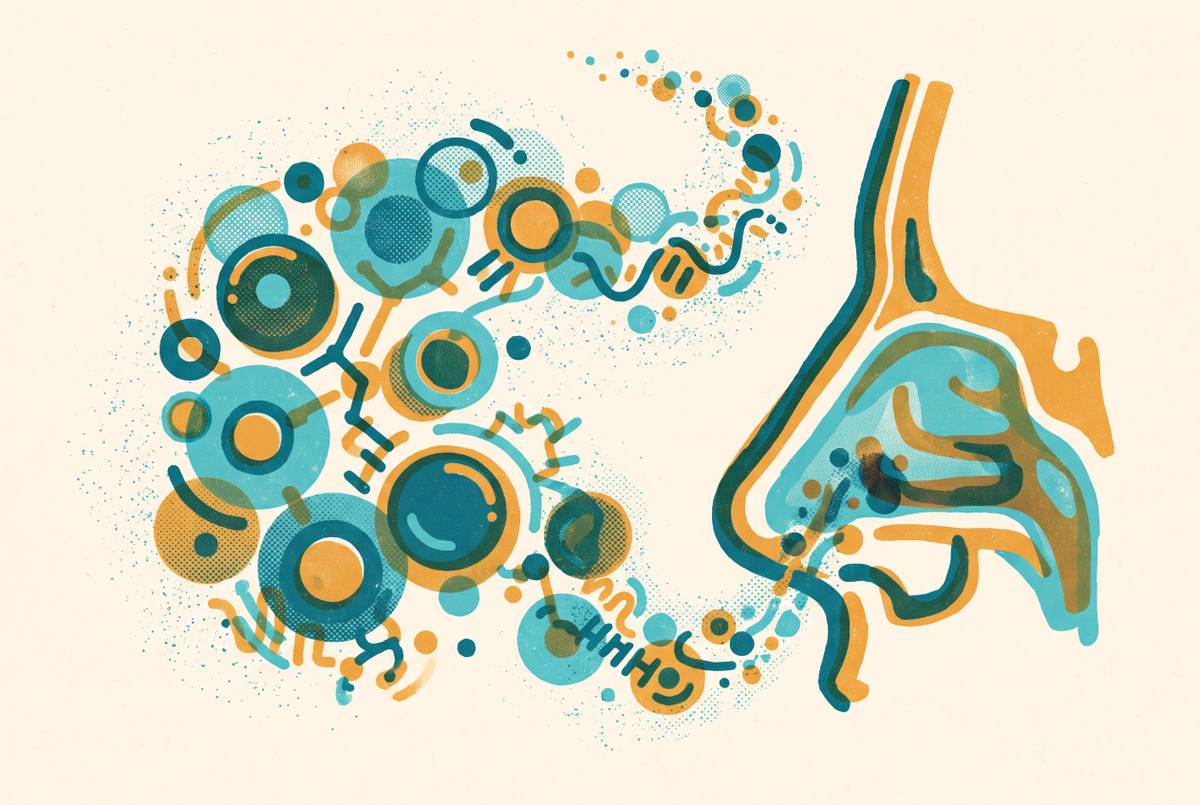
Nanoparticles shield peptides from nasal barriers to reach the brain.
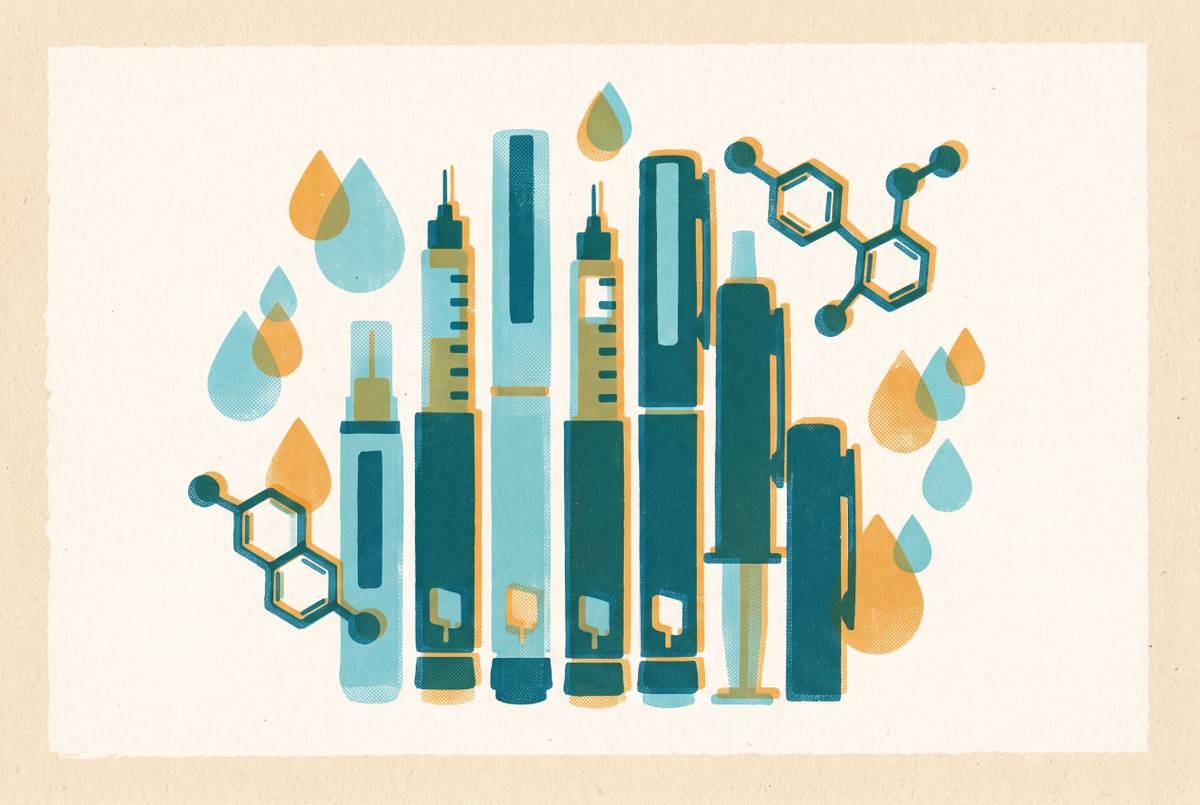
Insulin's nose-to-brain pathway offers a tested model for intranasal GLP-1 development.
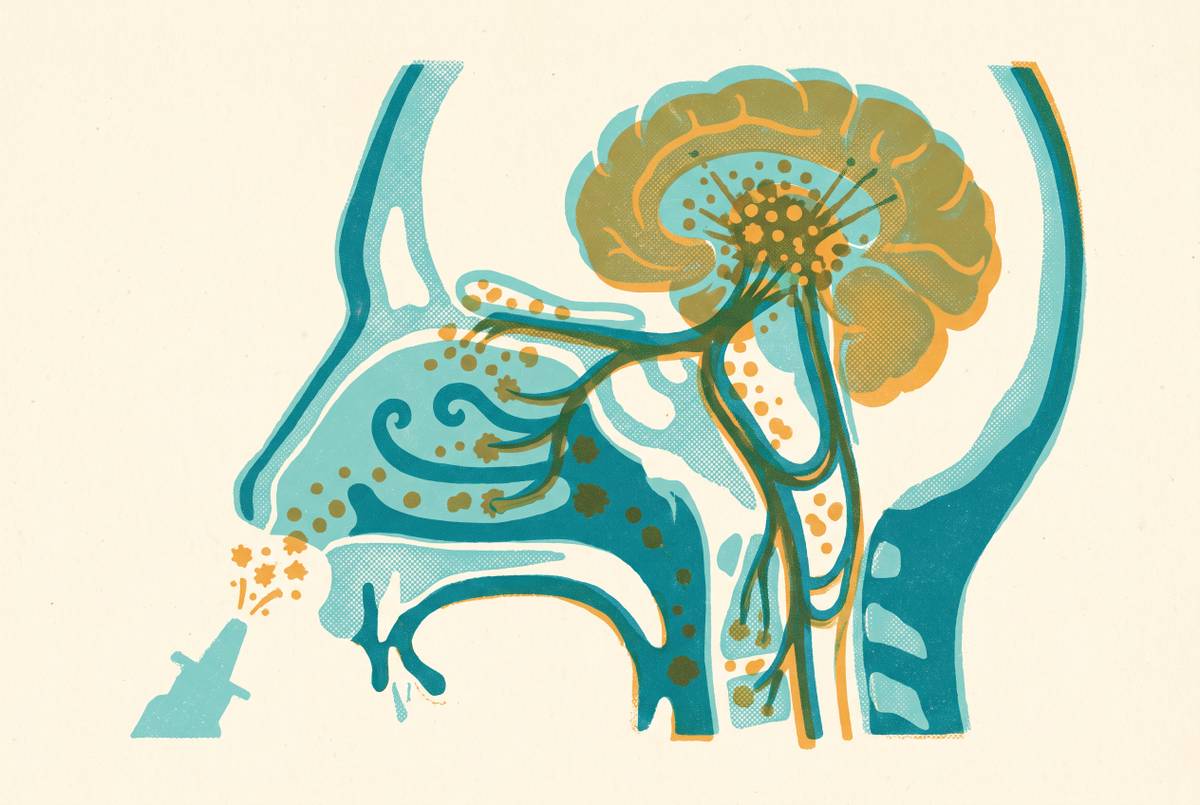
Intranasal peptides reach the brainstem via trigeminal nerves, not blood vessels.
Nose-to-brain nanoparticles offer a less invasive path for GLP-1 drugs to reach the brain.
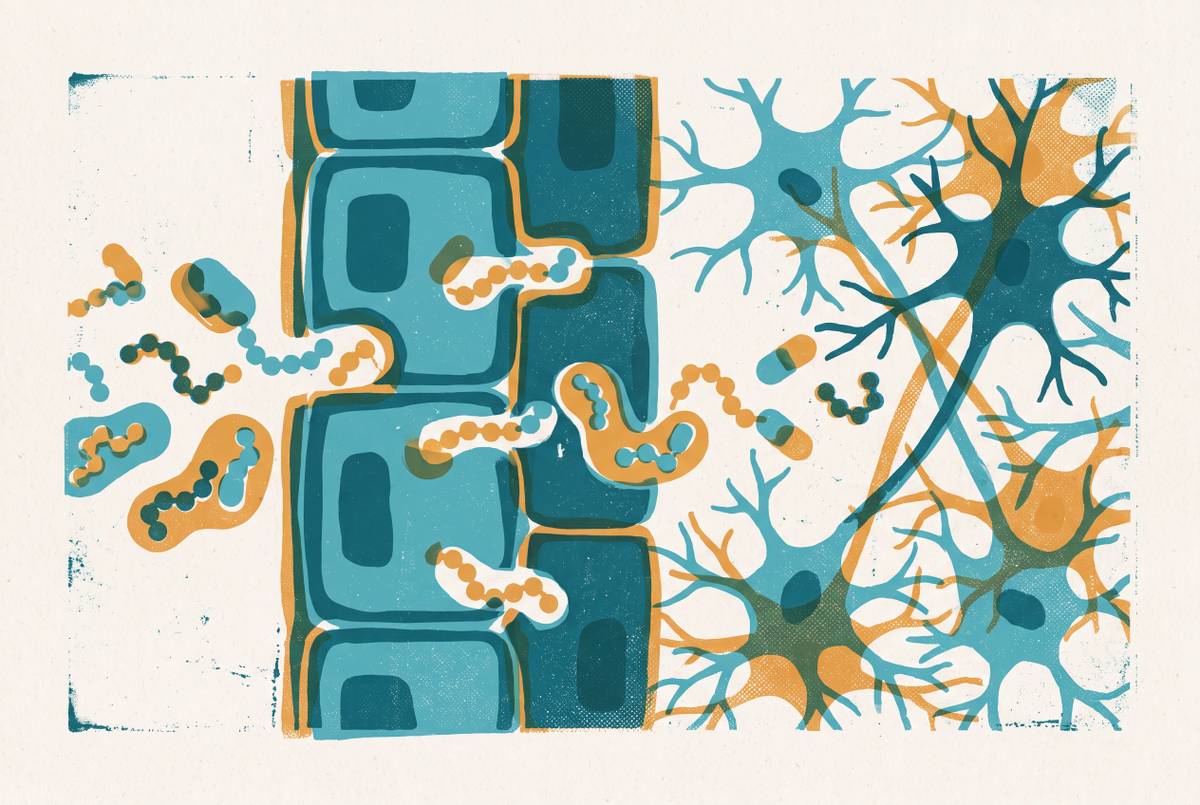
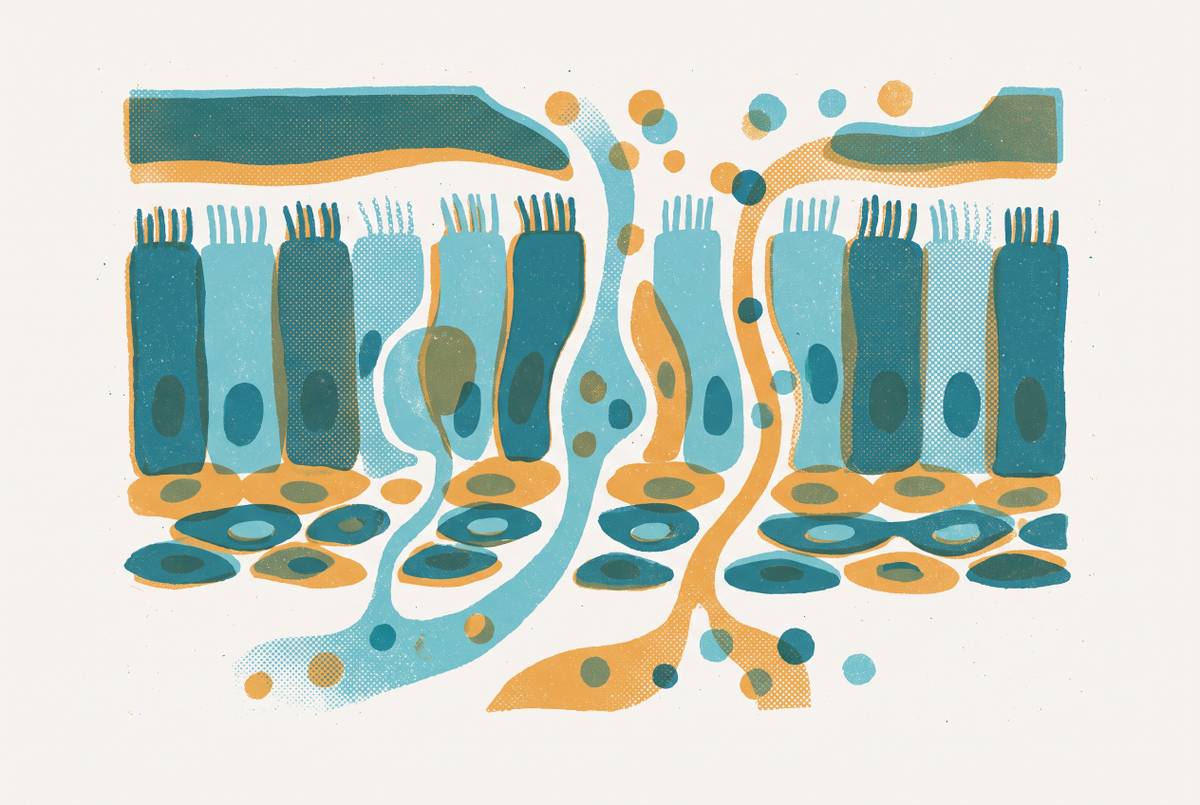
Mucociliary clearance gives drugs only ten to twenty minutes to cross the nasal barrier.
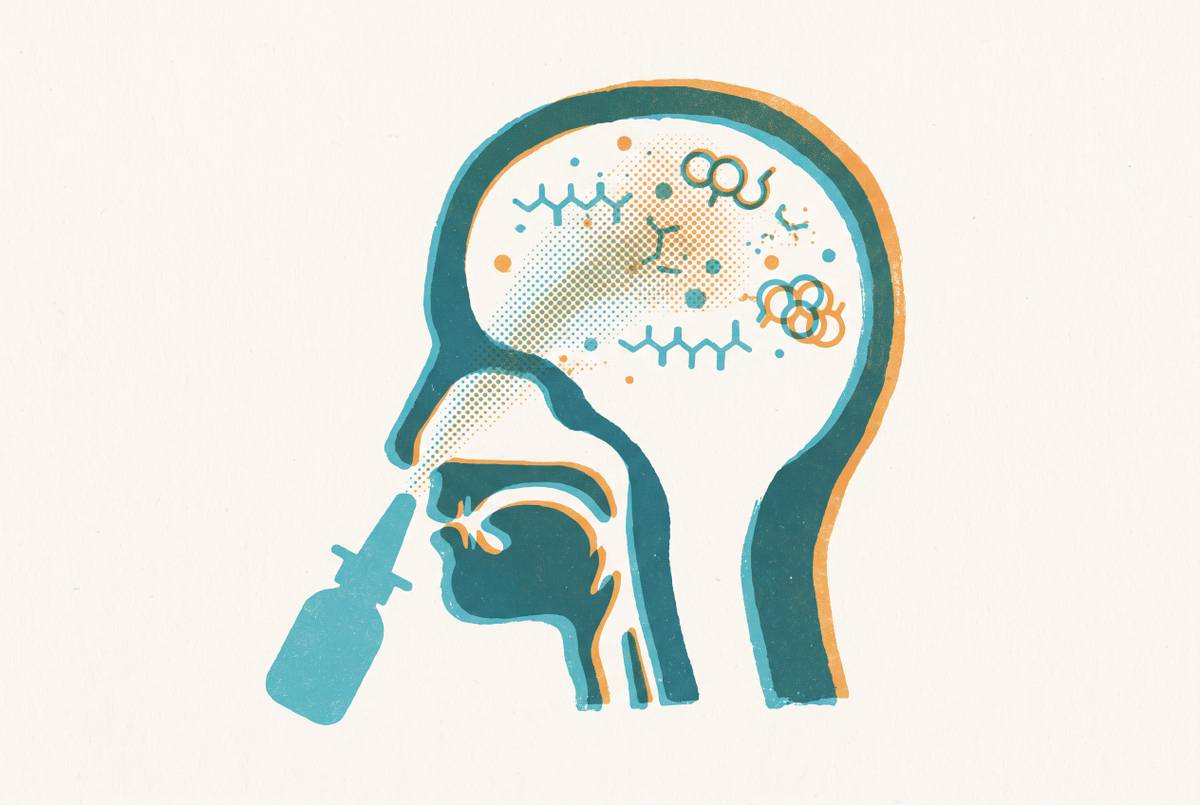
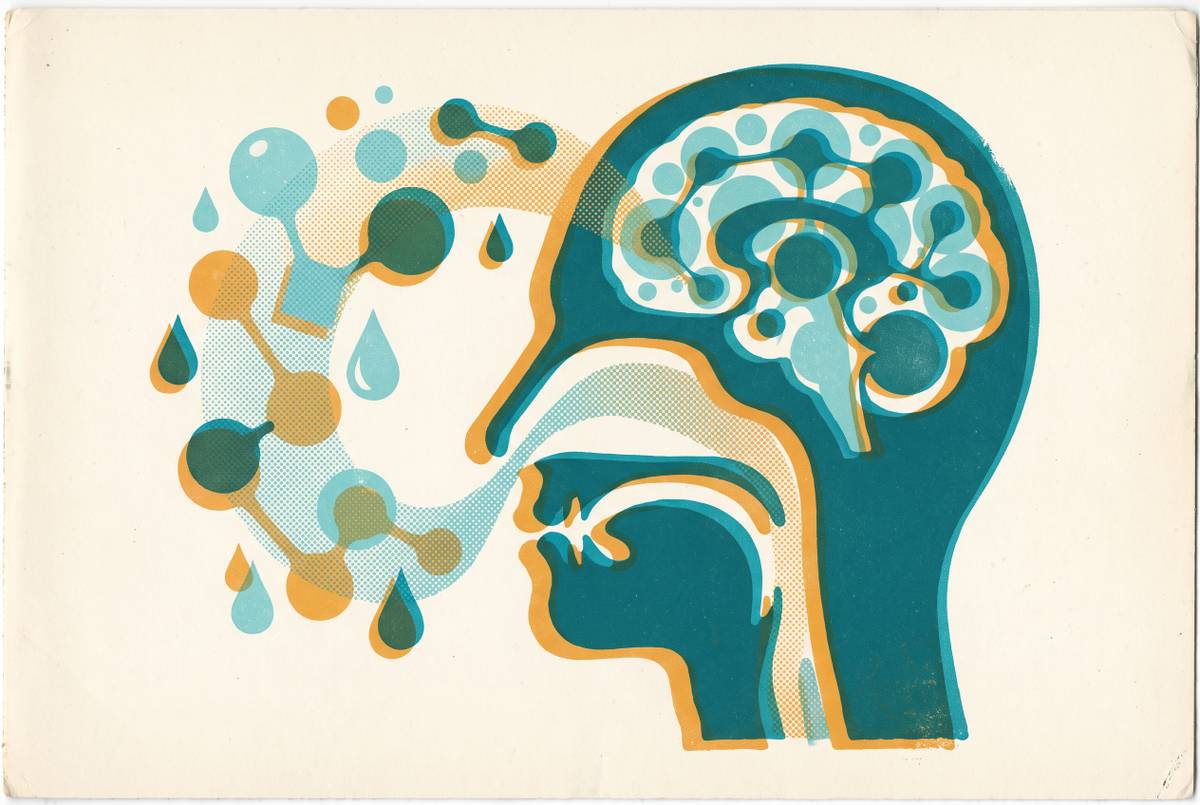
Companies bypass the blood-brain barrier by delivering drugs directly through the nose to the brain.
Drugs reach the brain through the olfactory nerve via three distinct molecular pathways.
GIP's distinct biology suggests dual incretin targeting could surpass GLP-1 monotherapy alone.
Tirzepatide and semaglutide lead, but real-world adherence determines actual weight loss.
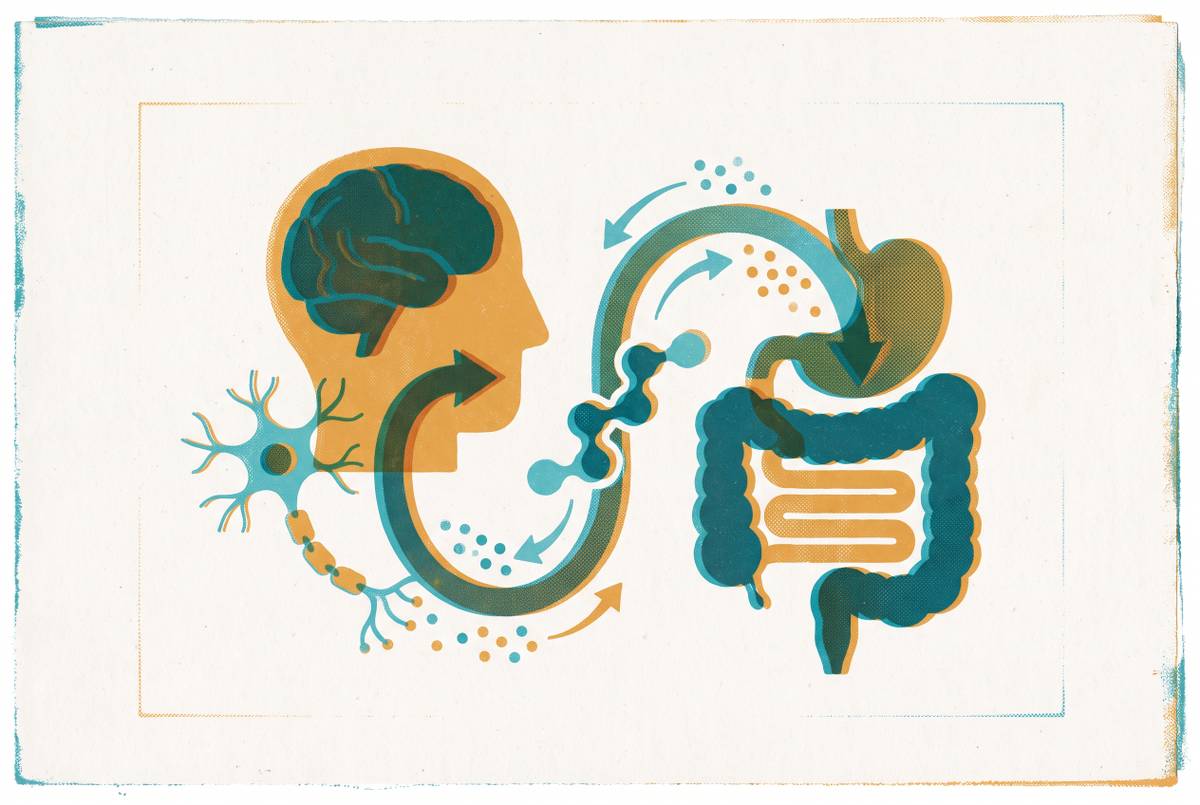
How GLP-1 suppresses appetite across multiple brain systems from gut to reward circuits.